28 Everyday Places Where Tip Prompts Can Catch You Off Guard
Tip requests now appear in settings from self-checkout to home services. A simple plan can help keep optional gratuities from disrupting your budget.


A tip prompt can turn an ordinary purchase into a split-second budget decision. Screens and jars now appear across quick-service food, shopping, delivery and personal services, sometimes where customers provide little direct service themselves. The request may feel like an expectation, but the source describes gratuities as optional in most of these situations.
A USA Today survey cited in the source found that 63% of respondents had a negative view of tipping requests, while 41% said tipping culture had gotten out of control. That frustration makes sense when prompts appear before a customer has received any service—or when a bill already includes a service or delivery fee.
Here’s the practical point: a screen’s suggested amount is a request, not a command. Decide what you can afford and what kind of service you want to recognize, then make that choice without treating every prompt as a new bill. The distinction matters most for households managing many small purchases, where repeated extras can make an outing cost more than the posted prices suggest.
Quick transactions and self-service
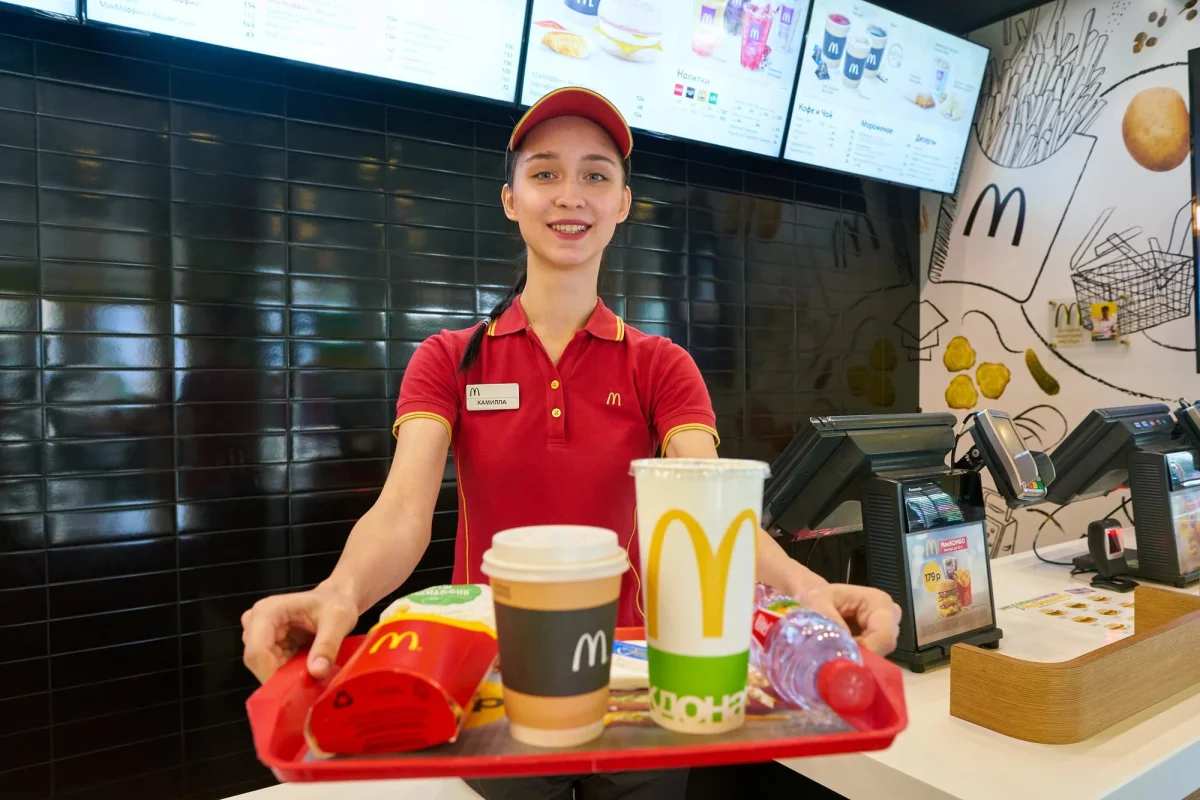
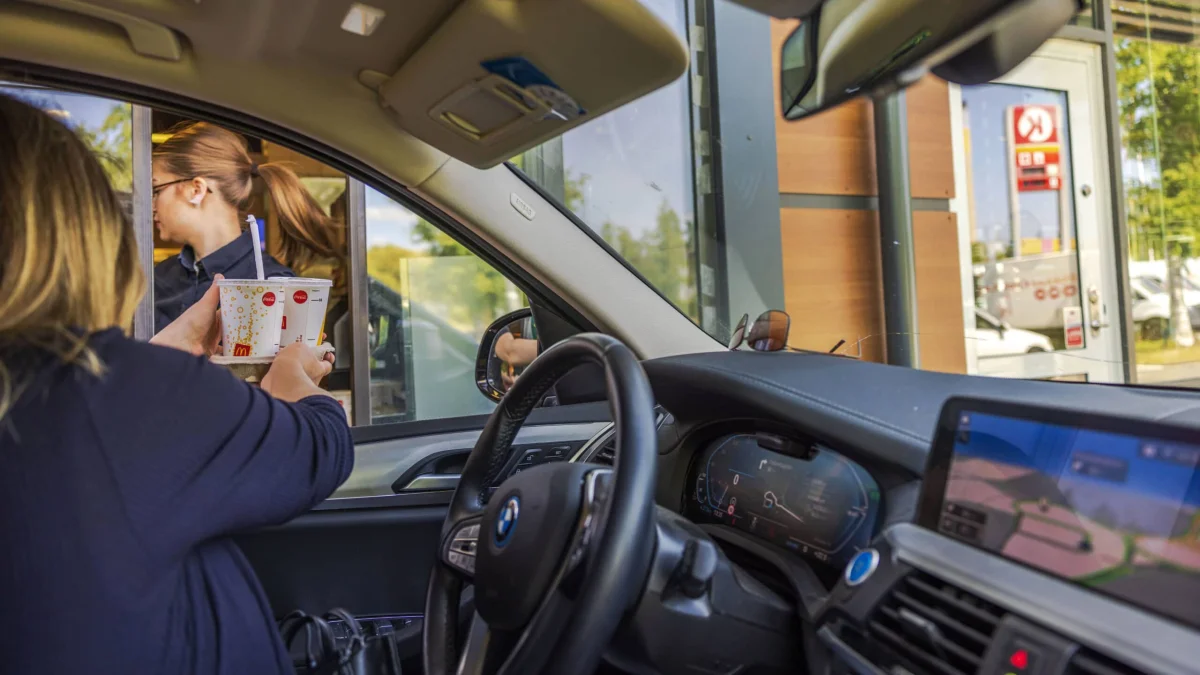
Fast-food counters and drive-thrus. Tip jars and payment screens have appeared in quick-service restaurants, despite the format being built around ordering, paying and leaving. The source says the National Restaurant Association has reported a sharp rise in digital tip prompts since 2021, including in quick-service locations. At drive-thrus, suggested amounts can interrupt a transaction that offers no table service. Customers can consider whether an employee provided personal help beyond taking and handing over the order, then choose accordingly.
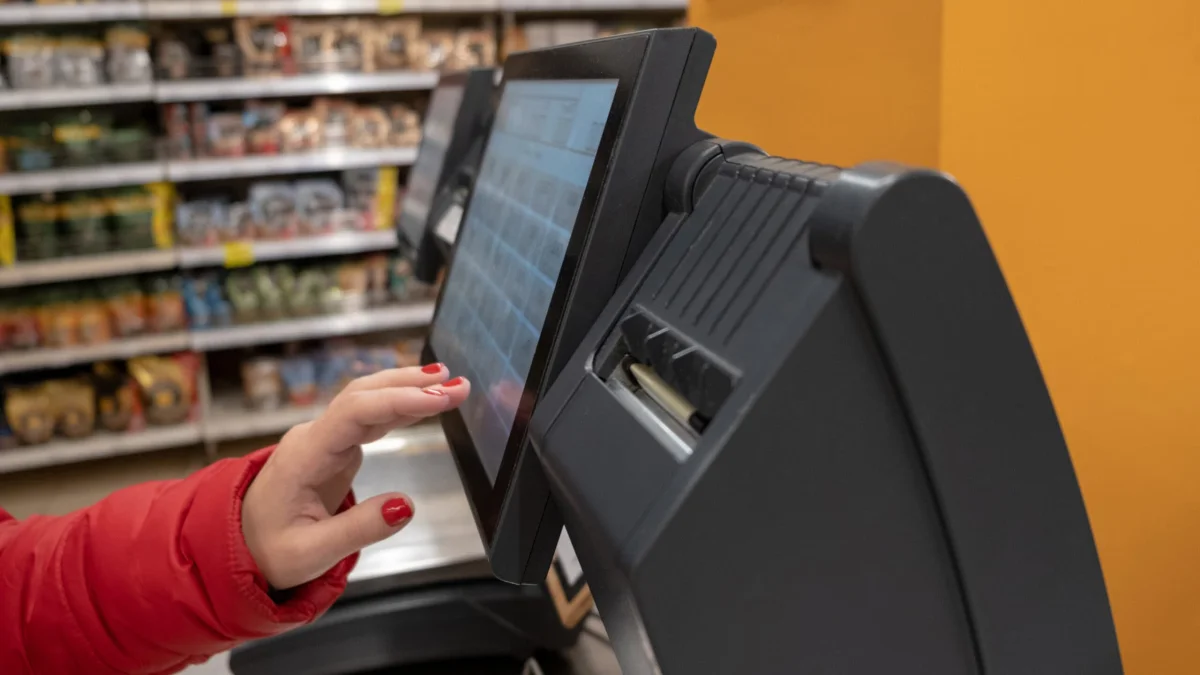
Self-checkout machines. A gratuity request at an automated kiosk can be especially jarring because the shopper scans and pays for the items. If an employee steps in to help, that assistance may shape a customer’s decision. If the transaction is fully self-directed, the prompt alone doesn’t create an obligation to add money.
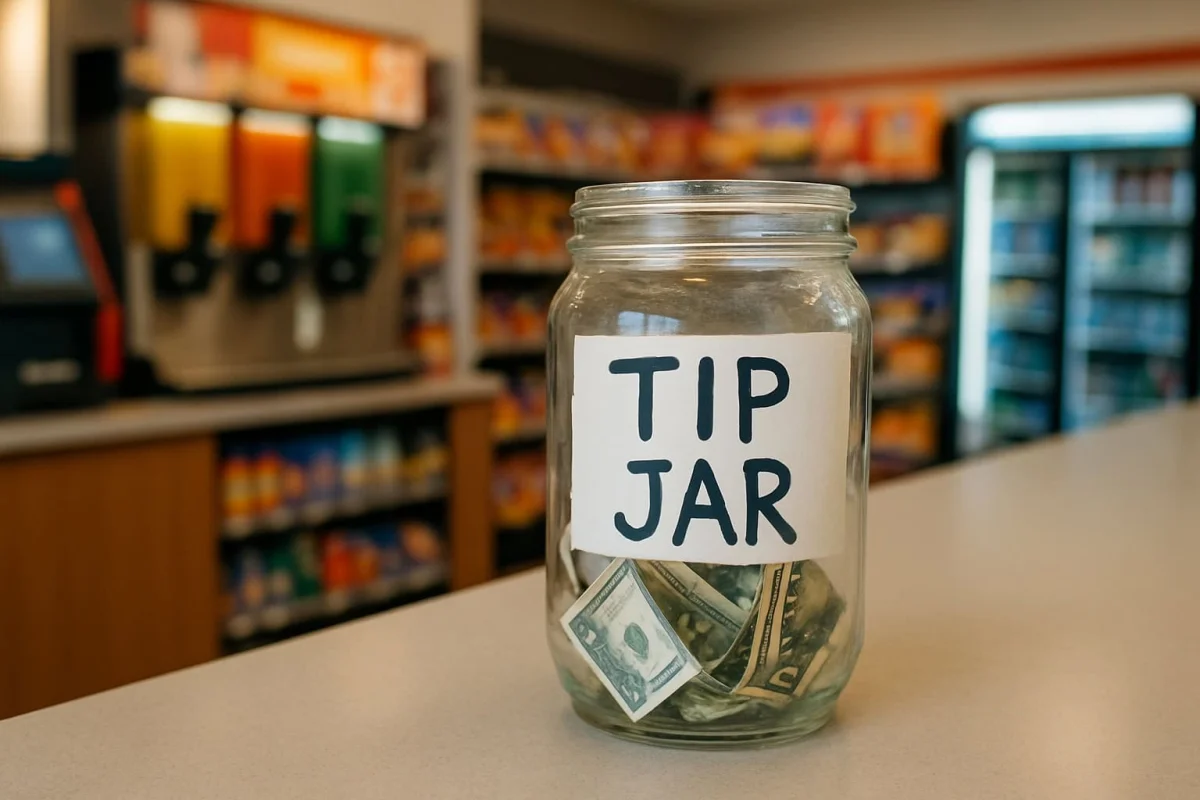

Convenience stores and grocery checkouts. Tip jars and digital requests are showing up in places where customers may only buy a snack or have groceries scanned. Bagging and ringing up items are part of the standard checkout described in the source, so some shoppers question what an extra payment is meant to reward. A request at the register can be declined without turning a routine errand into a bigger decision.

Retail stores. Some shops request gratuities for add-on services such as gift wrapping or curbside pickup. Shoppers may have assumed these were included in the purchase or the service price. When the request comes up, it can help to check whether a separate service charge is already listed and whether the extra service was something you chose.
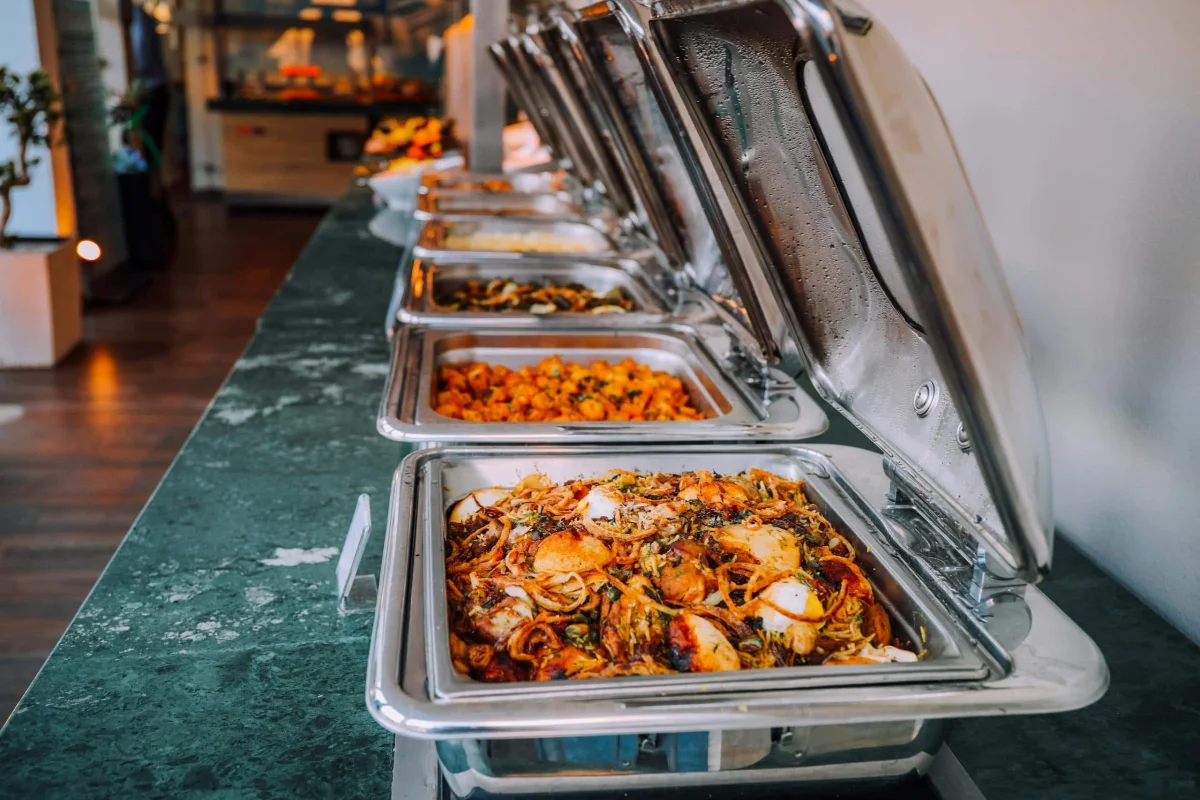
Buffets. Customers serve themselves and may collect their own drinks, while staff can clear plates and assist with other tasks. The source notes that some buffets request tips at rates associated with full-service dining. The level of staff assistance varies, so a customer can base any gratuity on the service they received rather than assuming the same amount applies everywhere. Fair compensation for workers and a customer’s choice about a tip are separate questions.
Food and drink orders

Coffee shops. A touchscreen may ask for a percentage before a customer has collected a latte, whether the order is to go or intended for a longer visit. The source cites Square data reporting that coffee-shop tips climbed by nearly 17%, including on orders without table service. That figure describes the cited data; it doesn’t establish what any individual customer should leave. A tip can reflect the service or experience a customer wants to recognize, within their budget.
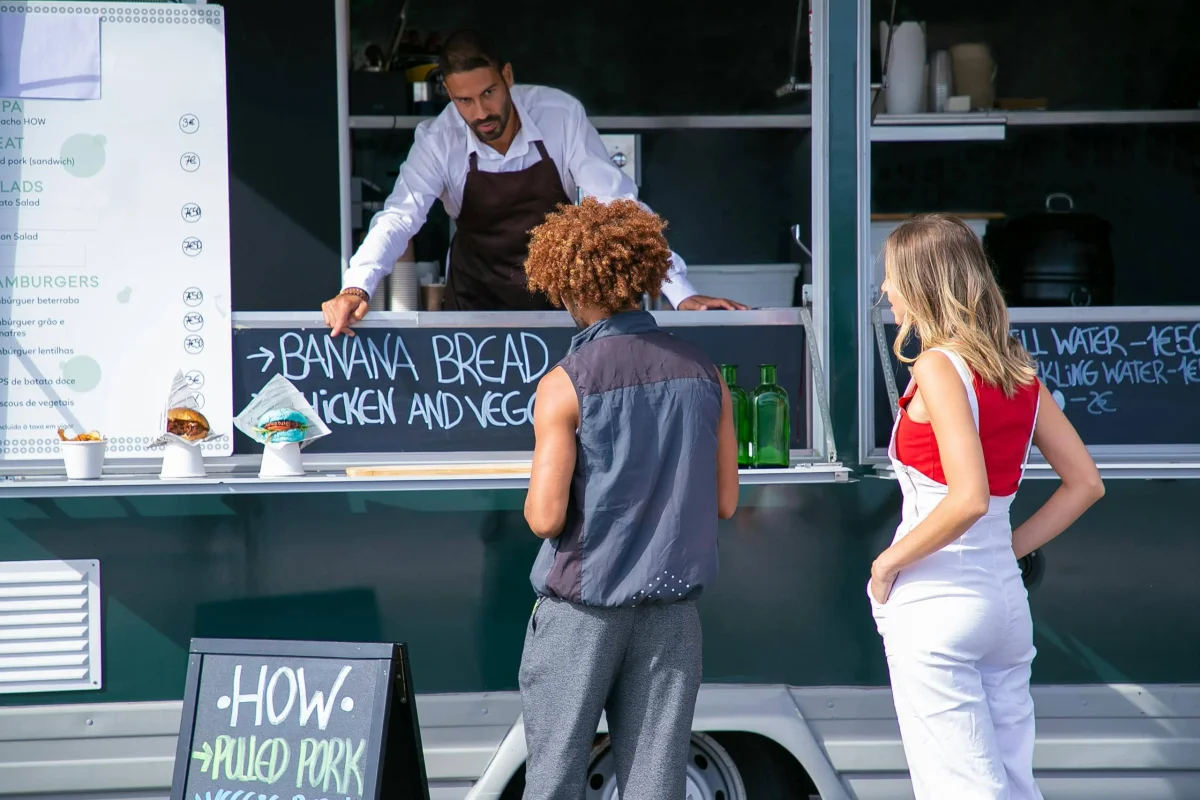
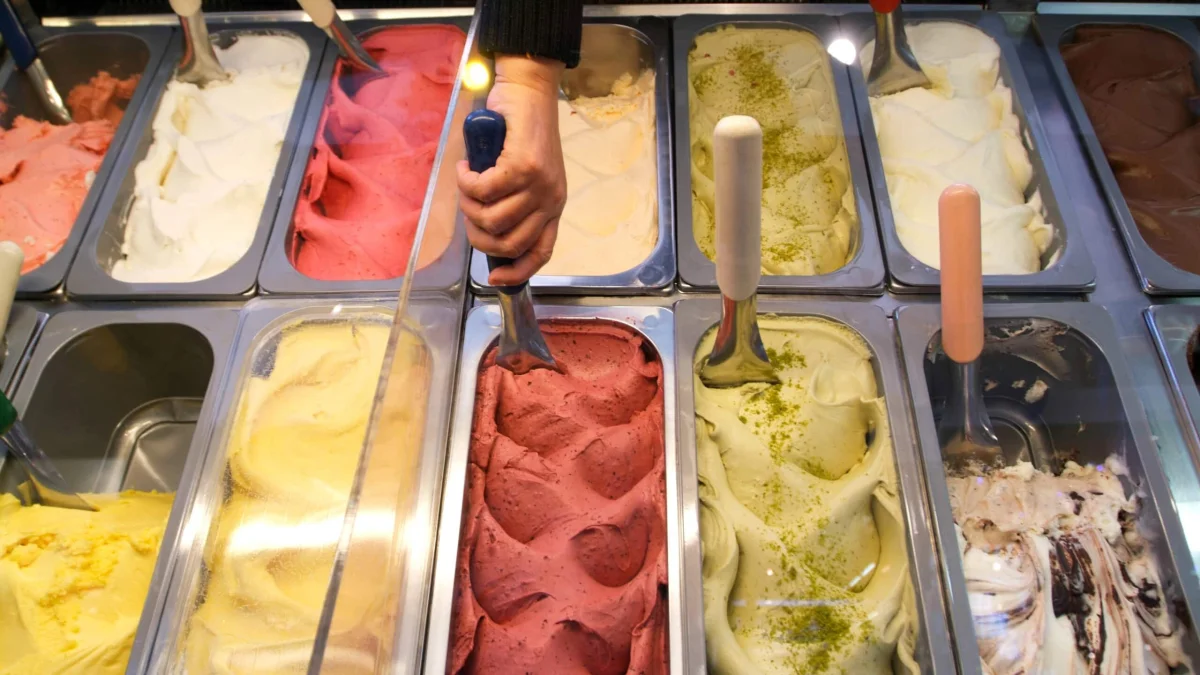
Food trucks and ice cream shops. A quick order for a taco, burger or cone may come with preset suggestions, sometimes reaching 25% at food trucks. At ice cream shops, customers might see a jar, a percentage prompt or even a request after serving themselves. The settings differ, but the budgeting choice is similar: consider whether you received help or service you want to reward, and don’t let a preset number set your spending limit.
Takeout orders and food delivery apps. Pickup screens can request a tip before the customer has collected a bag. The source says these prompts became more common during the pandemic and remained after dining resumed. App orders can add delivery, service and small-order fees before the tip screen appears; the source says some apps also default to high suggested amounts. Since the customer may not know how those fees are allocated or how a driver is paid, the final prompt can be hard to assess. Check the total before placing an order, decide what you’re comfortable paying, and include that full amount when comparing delivery with pickup or eating out.

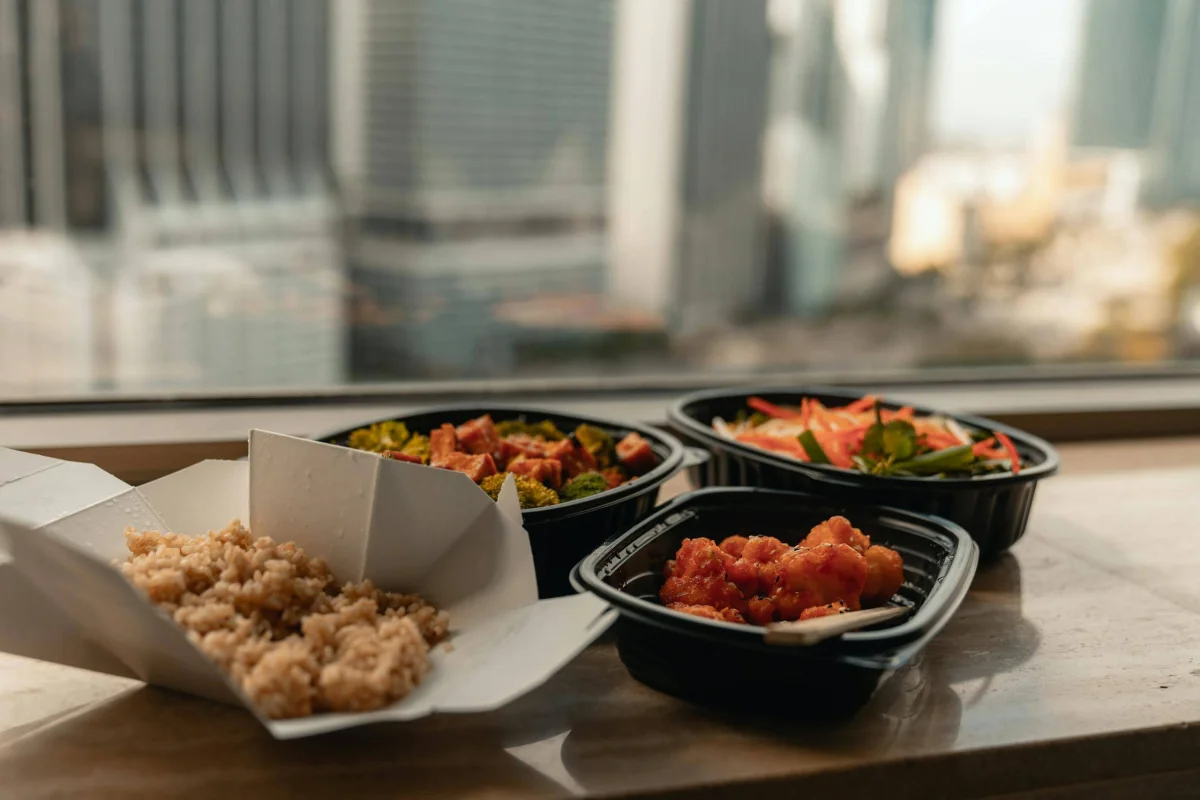
Higher food prices can make even a modest extra amount more noticeable. If takeout is becoming a frequent expense, looking at the full cost—including fees and any tip you choose—can help you decide how often it fits your budget. A related read: Unexpected Ways Inflation Impacts Your Life: What You Should Know.
 If this is interesting, follow DadisFIRE on Medium, then hit like to see more articles on financial freedom, personal finance, and smart money moves.

Travel, transport and deliveries

Hotel housekeeping. Some hotels leave envelopes or digital reminders inviting guests to tip housekeeping. The source describes gratuities as a longstanding courtesy that can feel more expected now. A longer stay may involve repeated room care, while a brief visit presents a different situation. Guests can weigh the service they received and their own budget; a reminder in the room doesn’t set a required amount. For more options, see 13 Polite Ways to Say No to Tipping Without Feeling Guilty.

Valet parking. Drivers may pay a valet fee and still face a customary tip request at drop-off or pickup. Seeing both costs can make it difficult to tell what the service charge covers. Check the posted fee when possible and include any tip you choose in the cost of using valet. Some drivers decide that self-parking better fits their budget.

Non-food delivery, furniture delivery and moving services. A delivery charge may be followed by a request for a driver or crew. Large items can also carry substantial delivery costs, while moving services charge for demanding work. Those costs make it sensible to get a clear estimate, understand which services are included, and plan for any extra gratuity you may choose to give. If the final bill matters, account for the whole service before booking instead of treating the tip prompt as an unexpected afterthought.


Ride-sharing services. Apps offer a chance to tip after a trip, often with suggested amounts. Fares and service fees can already vary, so it’s reasonable to review the complete ride cost and decide whether you want to add a gratuity. The prompt doesn’t have to determine the answer.
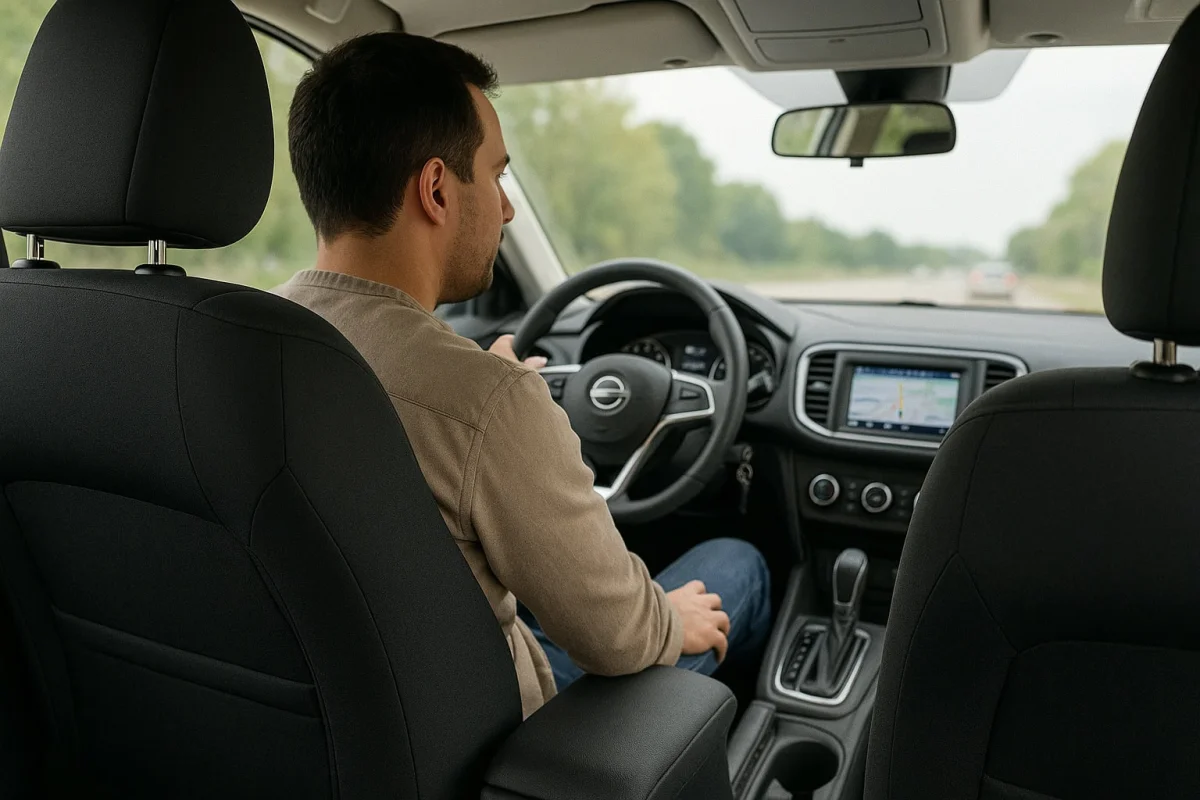
Tour guides. A ticket price may cover the tour, but visitors can still encounter a request for a tip at the end. That extra cost is easy to overlook when planning a trip. Travelers can check what the listed price includes and keep a small buffer for optional extras if they want to leave room for them.

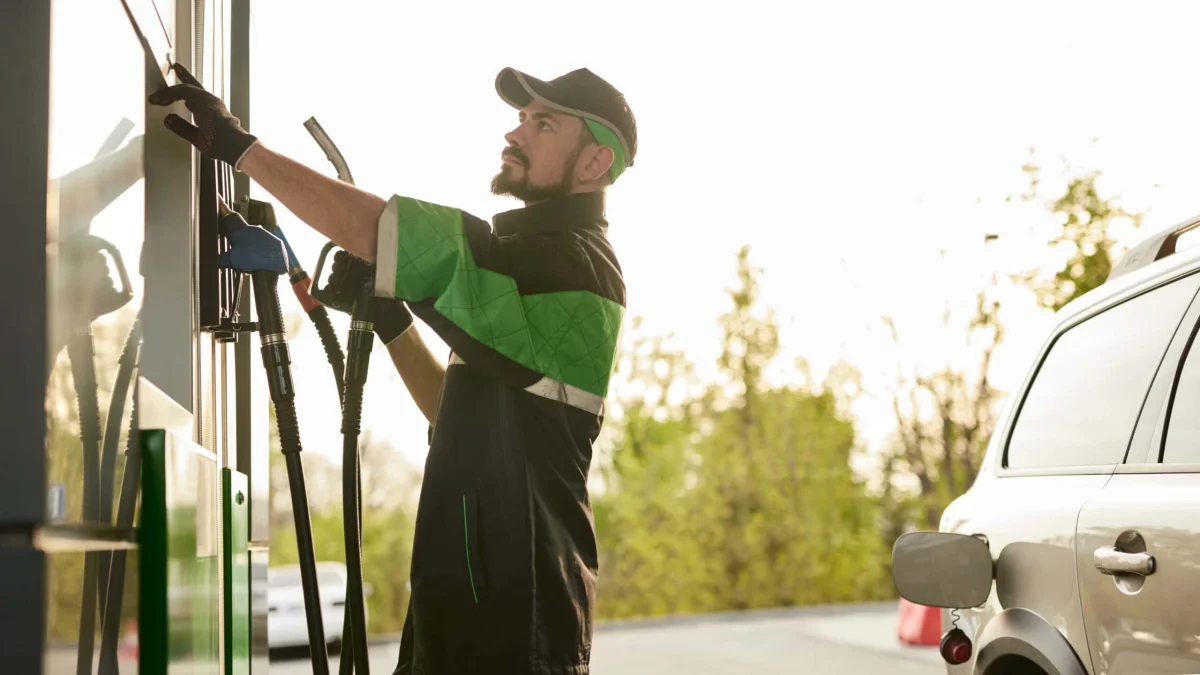
Gas station attendants. In places where attendants are required to pump gas, travelers may be surprised by a tip request. The source notes the service may be mandatory there, which can leave customers unsure how to respond. If you’re traveling, being aware of local fueling arrangements can help avoid an unexpected decision at the pump.
Skilled work and personal care

Freelancers and repair professionals. Photographers, musicians and other freelancers often set their own prices. A tip option on an invoice can make customers wonder whether the quoted fee was intended to cover the work. The same question arises when plumbers or electricians add a gratuity prompt to a bill that already reflects a high hourly rate or flat fee. Customers can ask about the total price and any separate charges before work begins, then decide whether they want to add anything beyond the agreed amount.

Hair salons, barbers and personal services. Haircuts, nail appointments, massages and tattoos can already be costly, and tip prompts can raise the final bill further. Some professionals set their own rates or rent their work space; others may have different arrangements. Since customers can’t infer those details from a screen, the listed price and any tip request should be treated as separate choices. If the likely total matters, ask about pricing ahead of time or set a personal spending limit before the appointment.


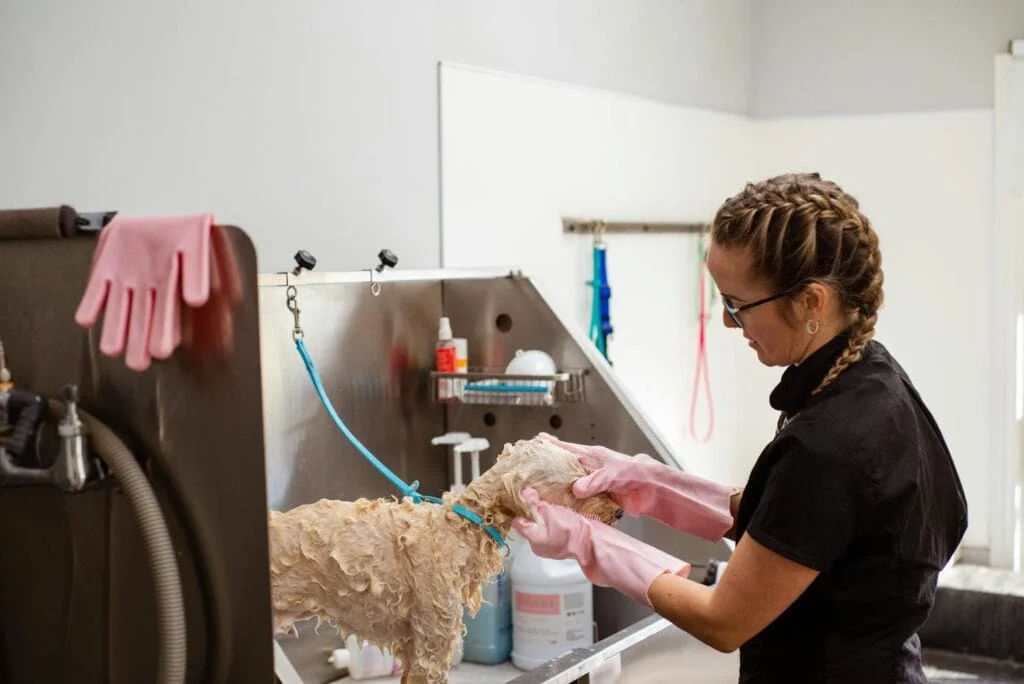
Pet shops and grooming. Grooming and specialty pet care can carry premium prices, and some shops add a tip request at checkout. For owners who book regular appointments, even small extras can recur. Some customers choose to tip for care they appreciate; others prioritize the stated service price. Either way, including recurring grooming in the household budget makes the total easier to anticipate.
Home services. House cleaners, landscapers and pool maintenance workers may visit regularly under an agreed rate. The source says customers can be unsure whether gratuity is included or expected on top. Clarifying the price and how the provider handles tips can remove the guesswork, especially when a service repeats. An occasional tip is a choice; it needn’t become an unplanned recurring expense.

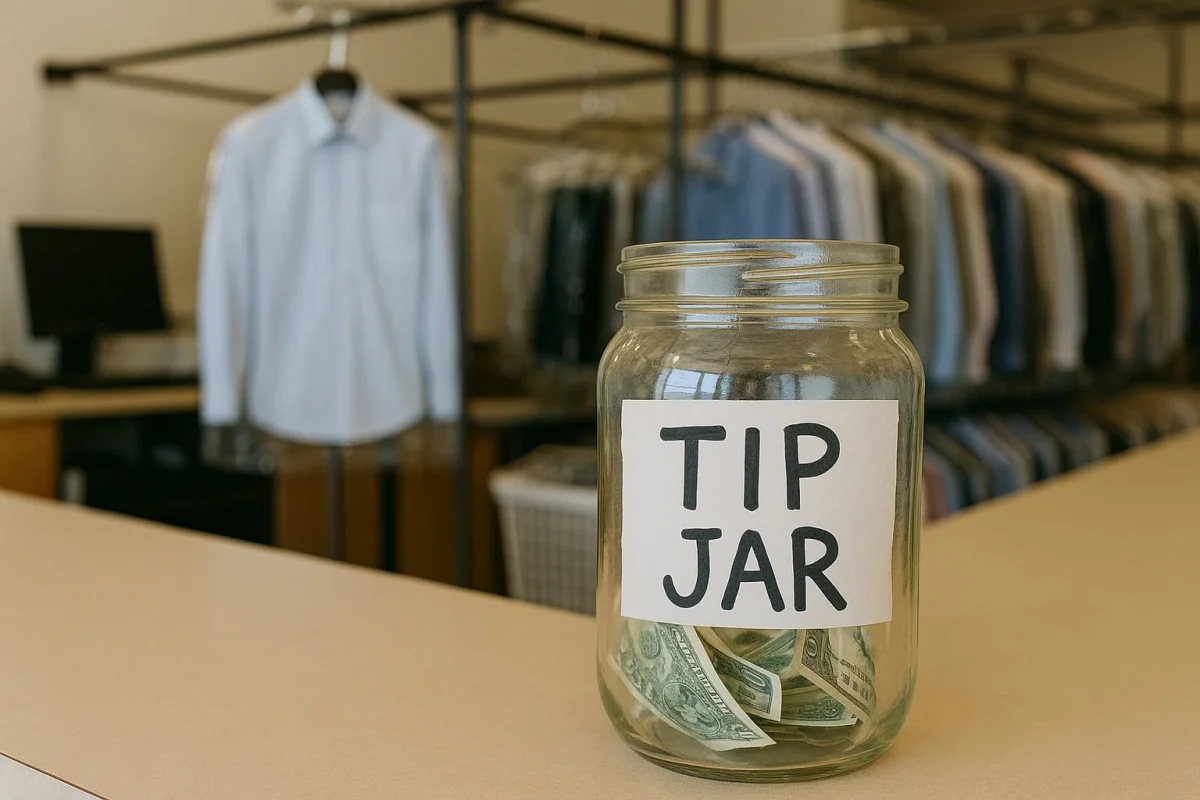
Pharmacies and dry cleaners. Tip jars at a pharmacy can appear during an errand for prescriptions or everyday medicine, while a dry cleaner may place one beside the register for a set-price service. The source points out that customers may find these requests out of place, particularly when they have not received personal help beyond the standard transaction. A jar doesn’t change the price of the items or service, and customers can pay the stated total without adding a gratuity.

A calmer way to handle the prompt

These requests span very different work, from a guided tour to a self-checkout screen. It’s more useful to judge each situation by the service provided, the price already charged and what fits your budget than to follow a single percentage everywhere. A tip can recognize helpful service; choosing not to add one to an automated or routine transaction is also a reasonable way to manage spending.
For a practical system, decide in advance which kinds of service you want to tip for and what amount fits your usual budget. Review delivery fees and other charges before ordering, ask providers to explain prices before booking, and remember that preset options are just suggestions. That small bit of planning can make checkout less stressful and help keep optional extras from quietly becoming a regular budget line.
For more on managing tip prompts, see 20 Ways to Fight Tipping Fatigue and Avoid Guilt at Checkout, The True Cost of Tipping: What It Really Adds to Your Budget and The Future of Tipping in America: What’s Changing and Why It Matters.
If you like what you just read, subscribe to the DadisFIRE newsletter and follow DadisFIRE on YouTube. Also be sure to follow DadisFIRE on Medium
- Teaching My 5-Year-Old Twins About Money: Opening Their First Bank Accounts
- Tired of Working? These 9 Mental Shifts Helped Me Retire Decades Early
- Reflecting on My Journey to Financial Independence: What I’d Do Differently
The post 28 Places We’re Now Pressured to Leave a Tip, But It’s Optional appeared first on Dad is FIRE.