Financial Literacy Rankings: 10 Highest- and Lowest-Scoring U.S. States
A 2024 ranking puts Nebraska first and Alaska last, with credit scores, education, banking access and spending patterns shaping the results.


A state’s financial literacy score can reflect more than what residents know about budgeting. Access to bank accounts, education levels, credit scores and spending patterns all help shape the picture. In a 2024 ranking by CreditSecrets.com, Nebraska took the top spot among all 50 states, while Alaska ranked last.
The results point to a useful distinction for households: money skills matter, but so do the tools and circumstances that make those skills easier to use. The ranking combines several indicators, so it shouldn’t be read as a direct measure of every resident’s knowledge or financial wellbeing. Still, its state-by-state figures offer a snapshot of where education, credit and access appear to line up—and where gaps remain.
What the ranking measures
CreditSecrets.com says its 2024 comparison used indicators including credit scores, graduation rates, access to banking and spending patterns. The source also discusses the number of financial institutions and the presence of predatory lenders in some states. Those measures capture different parts of household finance: credit scores reflect borrowing histories, while access figures show whether people use traditional bank accounts. Graduation rates offer an education measure, but don’t tell us how much personal finance instruction students receive.
That mix is worth keeping in mind when comparing states. A strong average credit score can sit alongside weak access to accounts, and a high graduation rate doesn’t guarantee that residents have affordable ways to save or borrow. The numbers describe state-level patterns; they don’t explain each household’s choices or circumstances.
Here’s how the 10 highest-ranked states compare with the 10 at the bottom of the 2024 list.
The 10 highest-ranked states
1. Nebraska

Nebraska leads with a score of 62.37 and an A rating. Its high school graduation rate is above 92%, its average credit score is 731, and 3% of households are unbanked. The source also points to a dense network of financial institutions and early financial education as strengths.
Those factors suggest a combination of knowledge and practical access. Nearby financial services can make routine tasks such as opening an account or depositing a check more convenient. The ranking doesn’t establish how much each factor contributed to Nebraska’s score, but the state posts strong results across several measures.
2. Minnesota

Minnesota scores 61.18, earning an A and second place. Its graduation rate is above 94%, and its average credit score is 742, one of the highest in the country. The reported unbanked share is 2.4%. The source also describes a healthy balance between spending and income.
Minnesota’s numbers show why it helps to look at multiple measures together: education and credit scores are both high, while most residents have a bank account. Those figures don’t tell every household’s story, but they make for a consistent profile across the ranking’s chosen indicators.
 For more personal finance and money-management articles, follow DadisFIRE on Medium.

3. Virginia

Virginia’s score is 60.40, good for an A and third place. Its average credit score is 721, and the graduation rate is around 91%. The state’s unbanked rate, at 1.8%, is among the lowest in the group. The source also notes balanced spending habits.
Banking access is a practical part of a household’s financial toolkit: an account can provide a place to receive income, pay bills and set money aside. The ranking’s figure doesn’t show what services people use or how affordable they are, but it does indicate that relatively few Virginians are reported as unbanked.
4. Vermont
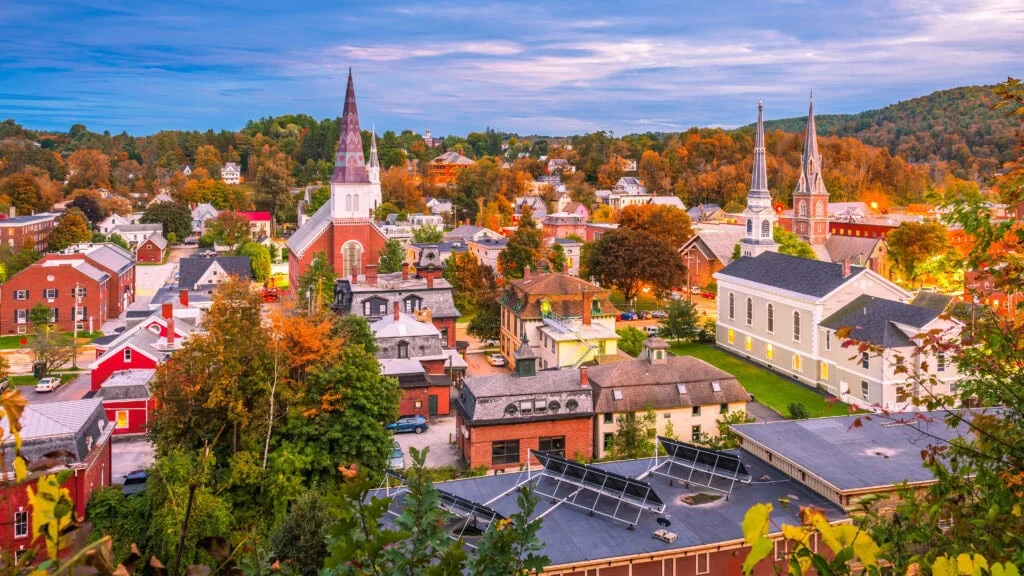
Vermont places fourth with a score of 58.67 and a B rating. It records the highest graduation rate among the states discussed here, at 94.55%, and an average credit score of 736. The source also highlights measures intended to shield residents from predatory lenders.
That combination raises a broader point: personal finance education is only one part of the picture. The terms and choices available to households also matter. The ranking doesn’t quantify how much lender protections affect its score, so Vermont’s results are best read alongside the reported education and credit figures.
5. Oregon

Oregon is fifth at 58.28, with an A rating. Graduation is just under 92%, and the average credit score is 731. Its reported unbanked rate is 1.6%, the lowest among the five states at the top of the list described so far.
Access matters because people can’t make use of a bank account they can’t readily obtain or use. But an unbanked figure alone can’t tell us whether accounts meet household needs, or what barriers residents face. Oregon’s strong score across access, education and credit makes it one of the ranking’s more balanced top performers.
6. Utah

Utah earns an A and sixth place with a score of 57.47. Its graduation rate is 93.17%, and its average credit score is 727. At 1.2%, its unbanked rate is the lowest among the top 10 states.
That low share points to broad account access, a useful foundation for managing regular income and expenses. It doesn’t by itself prove that residents have strong financial knowledge or that every account is affordable. The combination of high graduation, solid credit and low unbanked figures gives Utah a strong showing across the reported measures.
7. North Carolina

North Carolina’s score is 56.43, earning an A and seventh place. Graduation is close to 90%, and the average credit score is 707. The source’s interpretation emphasizes a balance between spending and income.
That point is a reminder that financial wellbeing isn’t measured only by earnings or credit scores. A household’s budget has to account for what comes in and what goes out. The ranking doesn’t provide a detailed breakdown of North Carolina residents’ budgets or debt, so its broader comments should be treated as context rather than a description of every household.
8. Maryland

Maryland ranks eighth at 56.32, with a B rating. Its graduation rate is 91.09%, and its average credit score is 716. The source describes residents as managing credit without overextending, though the published figures here don’t include a detailed measure of household debt or borrowing behavior.
That distinction matters: an average score can summarize credit histories, but it won’t show how people use credit day to day or whether they can handle unexpected expenses. Maryland’s results are strongest when viewed as part of the ranking’s overall mix of education and credit indicators.
Related Video: What Does Warren Buffett Think About the American Economy?
9. Iowa

Iowa places ninth with a score of 55.60 and a B rating. Its graduation rate is 93.32%, and the average credit score is 729. The source identifies access as a particular strength, citing a high number of financial institutions per person.
Convenience can affect whether people use basic financial services. A nearby place to deposit money or open an account may reduce friction in everyday money management. The ranking doesn’t give a specific institution count in the article, but it treats access as an important part of Iowa’s standing.
10. Ohio

Ohio completes the top 10 with a score of 55.40 and an A rating. Its graduation rate is 91.74%, its average credit score is 715, and 3.5% of households are unbanked.
The figures put Ohio within reach of several states ranked above it, though its unbanked share is higher than those reported for Oregon, Utah and Virginia. The state’s place in the top group reflects a combination of education, credit and account access rather than one standout number.
The 10 lowest-ranked states
The lower end of the ranking includes states with varied profiles. Some have low average credit scores or high unbanked rates; others pair strong education or credit figures with weaker results elsewhere. That variation is a reason to look past the overall score and consider which measures drive each state’s position.
10. New York

New York is 10th from the bottom, with a score of 43.17 and a D rating. Its average credit score is 722, but 5.90% of households are unbanked. The source also points to limited access to traditional banking.
The contrast between the credit average and account-access figure shows why a single measure can give an incomplete impression. A state can have a solid average score while a portion of households remains outside the banking system. The ranking doesn’t explain the reasons behind New York’s unbanked rate, but it flags access as an area of concern.
9. Tennessee
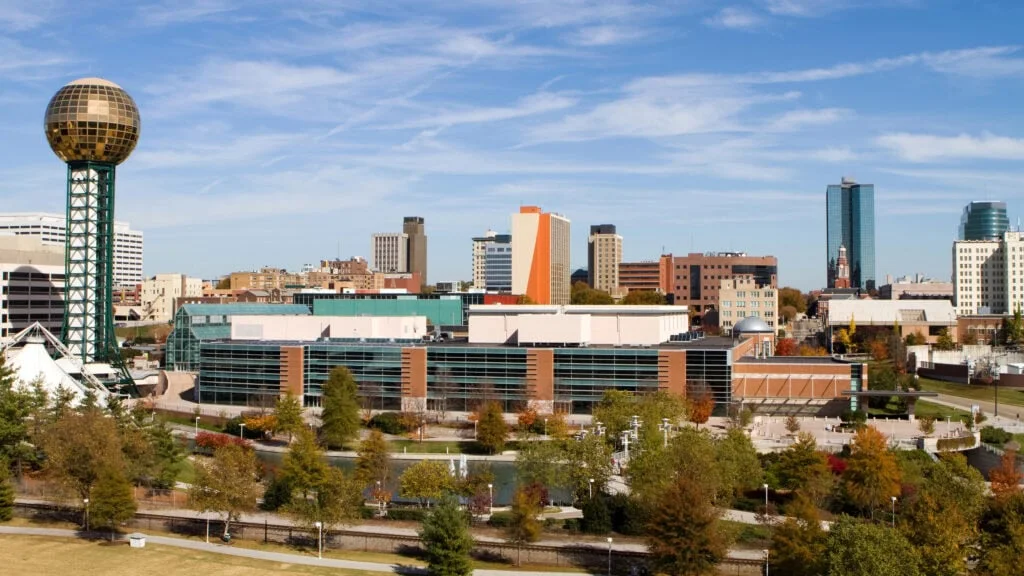
Tennessee scores 43.07 and receives a C, placing ninth from the bottom. Its graduation rate is just under 90%, and its average credit score is 701. The source reports nearly 10 predatory lenders per 100,000 residents.
That lender figure signals a borrowing environment the source considers a concern. The article doesn’t provide loan terms or explain how the lender count was calculated, so it can’t show the cost a particular borrower might face. For households weighing a short-term loan, comparing the full repayment amount and looking for lower-cost options can help clarify the trade-off.
8. Oklahoma

Oklahoma ranks eighth from the bottom, with a score of 42.83 and a C rating. Graduation is around 88.7%, and the average credit score is 692. The source reports 6.57 predatory lenders per 100,000 people.
These indicators point to pressure across education, credit and borrowing options. The article argues that limited access to fair banking may push some people toward high-cost alternatives, but it doesn’t provide household-level evidence to test that connection. The practical lesson is that access and affordability deserve attention alongside financial education.
7. South Carolina

South Carolina posts a score of 42.39 and a C rating, ranking seventh from the bottom. Graduation is 89.61%, and the average credit score is 693. More than 5.5% of residents are reported as unbanked, while the source also describes payday lenders as common.
Limited account access and reliance on high-cost borrowing can create additional challenges for household budgets. Still, the unbanked figure alone doesn’t show whether people choose not to use accounts or face barriers to opening them. The state’s score reflects the broader set of ranking measures, not a judgment about individual residents.
6. Mississippi
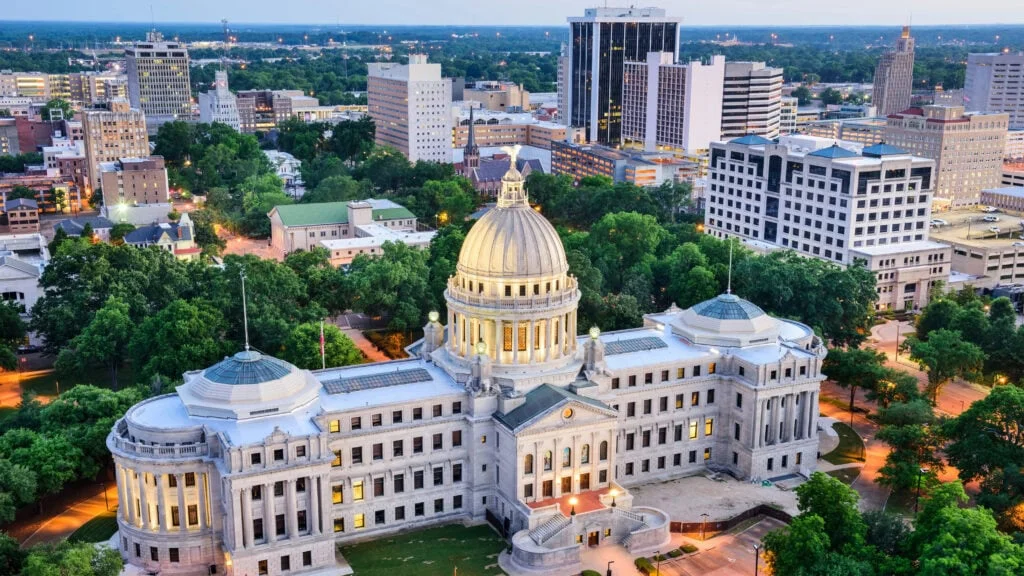
Mississippi is sixth from the bottom, scoring 42.11 with a B rating. Its graduation rate is 86.49%, the lowest among the 20 states discussed here, and its average credit score is 681. The source reports an unbanked rate of 11.10%, the highest in the country.
That means more than one in 10 households are reported as unbanked. Without an account, common tasks such as receiving money, paying bills and saving can involve different services and costs. The ranking doesn’t detail what alternatives households use, but Mississippi’s figure makes account access a particularly notable part of its profile.
5. South Dakota
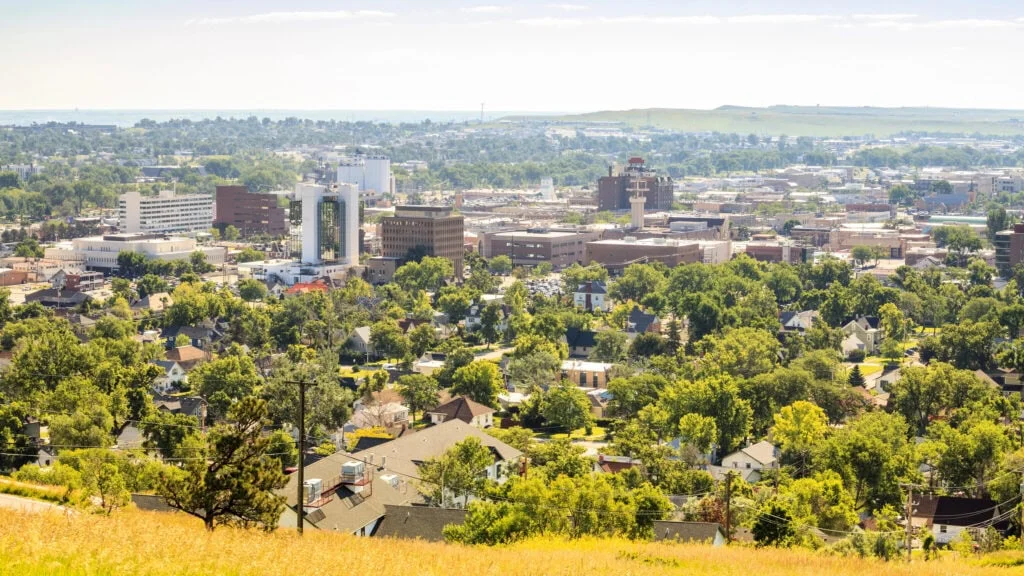
South Dakota ranks fifth from the bottom, with a score of 41.91 and an F rating. Its graduation rate is 93.05%, and its average credit score is 733—both strong figures relative to many states in the lower group. The reported unbanked rate is 3.70%.
This is one of the ranking’s clearest examples of why overall results can be hard to interpret from a single statistic. High graduation and credit averages coexist with a low overall score. The article suggests a gap between education and financial behavior, but the figures provided don’t establish what causes that gap.
4. Arkansas

Arkansas scores 41.89 and receives a D, placing fourth from the bottom. Graduation is 88.67%, and the average credit score is 694. The source describes banking access as weak and says residents rely heavily on non-bank loans.
Those points raise questions about the options available to households, but the article doesn’t provide a specific unbanked rate or loan count for Arkansas. What the ranking does suggest is that educational attainment and credit alone may not capture the ease of accessing suitable financial services.
3. Hawaii

Hawaii ranks third from the bottom with a score of 41.72 and a D rating. Its graduation rate is 92.93%, and the average credit score is 732. The source attributes the state’s lower standing to a high spending-to-income ratio and limited access to financial institutions.
That combination complicates any simple explanation. Strong graduation and credit averages can coexist with pressure on household budgets and less convenient access to financial services. The article links the spending pattern to the cost of living, but it doesn’t provide a specific cost figure or spending ratio.
2. California

California places second from the bottom with a score of 39.59 and a D rating. Graduation is 84.45%, the lowest among the states listed in this lower group, while the average credit score is 721. Roughly 5% of households are unbanked. The source also points to limited financial education programs.
California’s figures underline how a strong average credit score doesn’t settle the question of broader financial access or education. The ranking doesn’t describe the programs available or how they reach residents, so the state’s score is best treated as a prompt to look at those specific measures rather than a verdict on every household.
1. Alaska

Alaska ranks last with a score of 36.62 and an F rating. Its graduation rate is 93.31%, and its average credit score is 717. The source says Alaska has no financial literacy instruction in K-12 education and reports one of the country’s highest spending-to-income ratios.
Those figures make Alaska another state where the overall score doesn’t track neatly with education or credit averages. The reported absence of school-based financial instruction is a specific gap identified by the source, while the spending-to-income measure points to pressure on budgets. The article also mentions access, but gives no Alaska-specific account figure.
What households can take from the comparison

The 2024 ranking’s strongest pattern is that financial literacy sits alongside access. Nebraska, Minnesota, Virginia, Oregon and Utah combine strong scores with low reported unbanked rates. In the lower group, Mississippi’s 11.10% unbanked rate stands out, while Tennessee and Oklahoma are flagged for the number of predatory lenders. Those measures describe different challenges, and neither alone explains a state’s overall position.
For a household, the practical takeaway is to focus on the financial tools and habits within reach. Check whether everyday banking services fit your needs and costs. Track income and bills so spending decisions are based on the money actually available. Before borrowing, compare the total repayment cost and timing, especially when a short-term option seems convenient. And where financial education is limited, reliable information can help fill gaps—but it can’t replace access to affordable services.
State rankings are a starting point for questions, not a personal scorecard. The figures are state averages and selected indicators, and they don’t show every family’s experience. The most useful next step is to identify the specific constraint—budget pressure, credit use, account access or borrowing costs—and seek information that addresses it directly.
For more personal finance articles, subscribe to the DadisFIRE newsletter, follow DadisFIRE on YouTube, or follow DadisFIRE on Medium.