October Vegetable Garden Jobs: Reuse Plant Growth and Protect Your Soil
After the first frost, clear finished crops, protect beds, save seeds and keep hardy vegetables growing through winter.
The first frost marks a change of pace in the vegetable garden, but it doesn’t mean there’s nothing left to do. October is a chance to collect the last of the summer harvest, reuse healthy plant material and protect the soil before winter weather sets in. A few practical jobs now can also make next year’s beds easier and less costly to prepare.
This year, most summer crops had already finished by the time the frost arrived. There are still autumn and winter vegetables growing, though, and it’s my first year trying winter crops. I’m treating the month as a transition: clearing what’s done while leaving the soil covered and keeping an eye on the food that’s still coming along.
Leave healthy plant material to feed the soil
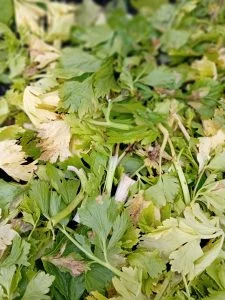
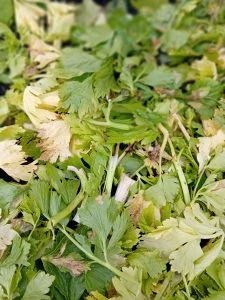
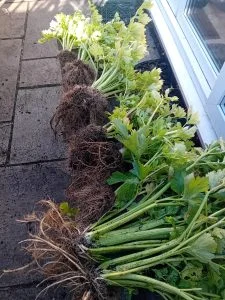
For beds that won’t be used over winter, I’ve been trying chop and drop. I cut down finished, healthy plants and leave their softer leaves and stems on the surface instead of carrying everything to the compost bins. There were plenty of celery and bean leaves to use this way. As the material breaks down, it returns organic matter to the soil and provides food for worms and other soil life.
Where I can, I leave the roots in place and cut the plant near soil level. The roots gradually decay beneath the surface, adding organic material and leaving small channels in the soil. It saves some clearing work and makes use of material that would otherwise need to be moved elsewhere.
There’s one important limit: diseased plants don’t belong on the beds. I put plants showing serious signs of disease in the refuse bin, to reduce the chance of carrying problems into next year.
Harvest the last crops before clearing
Frost can quickly damage tender crops such as courgettes, squashes, French beans and outdoor tomatoes. Before pulling plants out, it’s worth checking for anything still useful. This autumn, I found a few green tomatoes, a handful of beans, plenty of celery and one enormous courgette hiding behind a plant pot. I’m planning to use the courgette for Courgette and sweet potato cheesy bites, a recipe we enjoy.
Winter squashes are another crop to check before a hard frost. Mature ones can be brought somewhere frost-free to cure and store, where they’re less exposed to cold damage.
I also found dried bean pods to save for next year. I’ve gathered more seeds than usual this season, and still have marigold and fennel seeds to collect. The marigold seeds will go into small envelopes as stocking fillers; I save fennel seeds for tea. All my plants come from heirloom seeds, apart from a few I was given.
Clearing plants that have fed us through summer can feel bittersweet. Still, making room for the next season is satisfying, and I welcome the quieter months after working hard in the garden over summer. I’m a fair-weather gardener, so a winter pause suits me.
Cover beds and pots for winter
Leaving too much soil bare through winter is something I try to avoid. Heavy rain can damage the surface and wash nutrients away, especially from uncovered beds. Once a bed is clear, I cover it with whatever suitable organic material I have, such as chopped plant matter, fallen leaves, homemade compost or well-rotted manure. On the small patch of ground I have, I also lay bramble stems to discourage local cats from using it as a toilet.
The covering helps shield the soil from winter weather while worms and other soil life continue working below. I don’t dig the material in; I leave that work to the worms. For beds with autumn crops still growing, I wait until those plants have finished before covering them. In the meantime, I water them well and place a recycled double-glazed window over the waist-high boxes. Mr S made the boxes from old pallets, at no cost.
I grow much of my food in pots, so I prepare those in a couple of ways. Some pots are emptied into a large bin. In spring, I’ll add fish, blood and bone, and chicken poo pellets, then reuse the soil. Other pots get extra compost and a surface covering of mulch or chopped plant material. I put a rhubarb leaf over some to reduce the force of the rain and help stop goodness washing out through the bottom.
Keep winter crops within reach
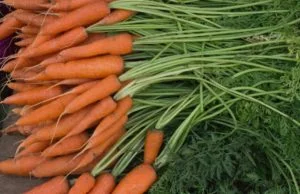
The garden still has carrots, chard, kale, beetroot, spring onions and parsnips growing in boxes, with potatoes in tubs in the greenhouse. These crops provide fresh food through winter alongside the summer produce I’ve frozen or preserved in a water bath. Cold weather can also bring out the sweetness in crops such as carrots and parsnips.
I grow winter crops nearer to the house, where I can keep watch and pick what’s ready. Hardier vegetables can stay in place and keep growing. Garlic is on my list to plant this weekend: it needs a long growing season before next summer’s harvest, and frost helps the bulbs divide into cloves.
Broad beans are less certain. I usually sow them in spring, and colder, wetter gardens may suit that timing better. This year I’m considering trying field beans under glass because I have seeds left. They’re smaller than broad beans, and I find them sweeter. I’ve enjoyed the ones I grew, and the frozen beans will be handy in stews.
Autumn onion sets are another possibility if the soil isn’t waterlogged. I may grow onions from seed next year instead, since I saved plenty this summer.
Compost and make notes for next season
Not every healthy plant needs to stay on a bed. The compost heap can take leaves, stems and finished crops. Pairing soft, green material with dry, brown material such as fallen leaves or shredded cardboard helps keep the heap from becoming too wet. I think of cleared plants as ingredients for next year’s soil, whether they break down on the bed or in the compost.
I also leave some areas a little untidy, so insects and other wildlife have places to shelter from the cold.
As beds empty, I take stock of the growing season. Which vegetables did well? Which varieties disappointed? Did I grow too many courgettes again? Should a crop have more space next year, or would it do better somewhere else? Writing down a few observations now makes next year’s planning easier while the details are still fresh.
October may bring the summer harvest to a close, but the garden is still working. Healthy plant matter can return to the soil, coverings can protect it from rain, and hardy crops can keep providing food. A little preparation now also means I won’t need to buy as much compost next year. The beds may look quieter, but below the surface, the soil is already being prepared for another growing season.
The post Chop and drop and October jobs in the garden appeared first on Simple Frugal Life.
===END===