UK Overdrafts: Costs, Credit Score Effects and What to Check
Overdrafts can help with a short-term cash gap, but interest, eligibility checks and credit score effects matter. Compare the cost and repayment plan first.
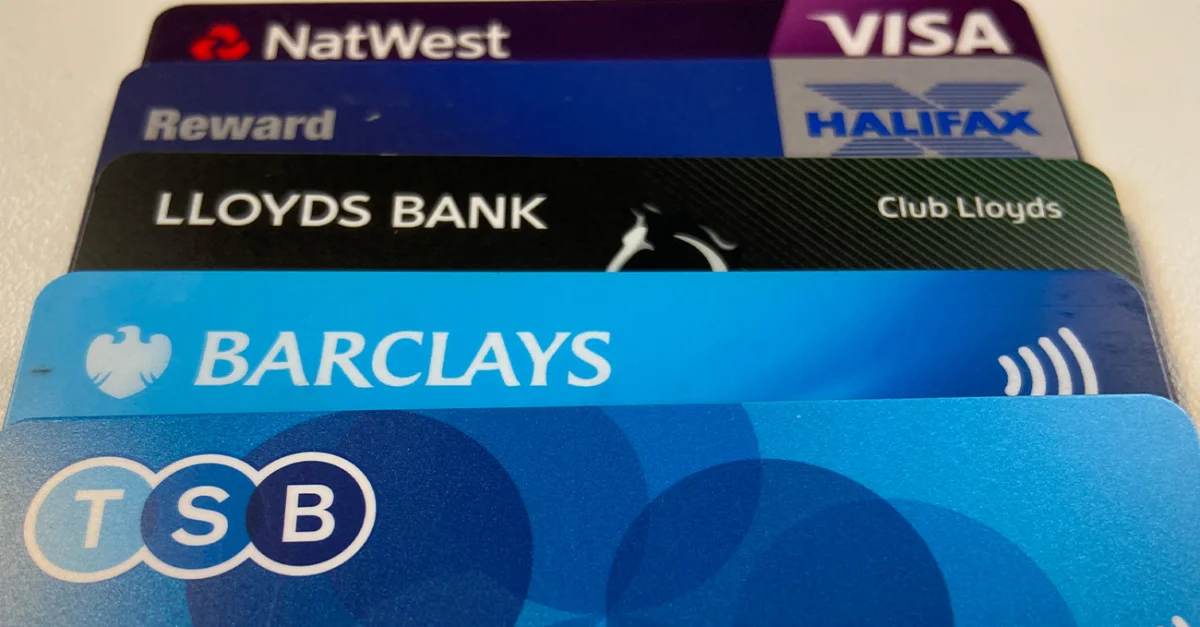
An overdraft can cover a temporary gap in your current account, but the convenience can come at a steep price. It’s borrowing from your bank, usually with interest, and a limit can make it easy to rely on the money for longer than intended. The key is to understand the cost, know what happens if you exceed your agreed limit, and have a realistic way to repay what you use.

What an overdraft gives you
An overdraft is attached to a current account and lets you spend more than the balance you have, up to an agreed amount. The account otherwise works like a standard current account. Depending on the bank and the terms, you may be charged interest on the amount borrowed.
Banks assess applications before agreeing to an overdraft. They may review your credit history and income to decide whether you meet their criteria and appear able to repay the borrowing. Applying involves a hard credit check, which is recorded on your credit report. A free eligibility checker can use a soft search instead, so checking your chances that way won’t affect your credit score.

An overdraft can be useful for a short-lived cash-flow problem, such as an unexpected bill before payday. It’s generally better treated as a backup than as money to fund regular spending: if the account stays overdrawn, interest can keep adding to the amount you owe.
Agreed and unagreed borrowing
There are two main types of overdraft in the UK. An arranged overdraft is agreed with your bank in advance. The bank sets a limit, which might be £1,000, and you can borrow within it when needed. The limit is not a recommendation to borrow the full amount, and it doesn’t make the borrowing free.

An unarranged overdraft occurs when you spend more than the money in your account without an agreed overdraft, or go beyond your arranged limit. It means you’re borrowing without the bank’s prior agreement for that amount. Payments may also fail if there isn’t enough money available, which can cause further problems.
UK banks don’t guarantee that every account will come with an overdraft. You might apply when opening an account or ask for one later, but the bank still decides whether you qualify. Approval and the size of the limit depend on its assessment of your circumstances.
Interest and other costs
Most overdrafts charge interest on the amount you use. A 0% offer avoids interest within its stated limit, but going beyond that allowance can change the cost quickly. Check the rate that applies above any interest-free amount, as well as the maximum limit the bank is prepared to offer.
Since April 2020, UK banks have not been allowed to charge a higher interest rate for unarranged overdrafts or add fees for using them. The interest rate is the same for arranged and unarranged borrowing. That doesn’t make exceeding an agreed limit harmless: interest still applies, and payments could be refused if funds aren’t available.

Compare the overdraft’s cost with other borrowing options, such as a personal loan or credit card. Which option costs less depends on the terms available to you and how quickly you can repay. An overdraft may suit a brief, occasional shortfall; if you need to borrow for longer, compare the full costs and repayment terms before deciding.
How overdraft use can affect your credit score
Applying for an overdraft triggers a hard credit check. The check can remain on your credit report for up to two years, although one application is only likely to harm your score if you’ve made many credit applications within a short period.
Using an arranged overdraft occasionally, staying within the limit and repaying the balance can show that you manage the borrowing responsibly. But repeatedly using the full limit means you’re relying heavily on available credit. That can affect your credit utilisation and may harm your score.
Unarranged borrowing can also hurt your credit score. It indicates that you’ve spent beyond an agreed limit, and any resulting missed or failed payments may cause additional damage. Keeping an eye on your balance and arranging a limit before you need to borrow can help you avoid that situation. For more on credit scores, see this guide to improving your credit score.
Examples of overdraft limits and rates
The options described in the source vary in both size and price. First Direct offers a £250 overdraft at 0%; borrowing above that amount carries an effective annual rate (EAR) of 39.9%. TSB Spend & Save Plus offers the same £250 0% amount, with a charge for borrowing beyond it, and the account has a monthly fee.
For a larger possible limit, Starling Bank offers overdrafts of up to £5,000, with rates of 15%, 25% or 35%. Monzo Bank offers limits of up to £3,000, with rates of 19%, 29% or 39%, depending on creditworthiness. Monzo tells applicants their rate before a hard credit check is made.
These examples show why the limit alone doesn’t tell you whether an overdraft is affordable. The rate, any account fee and the amount you expect to borrow all matter. Banks may also offer different terms to different applicants. You can compare more accounts in this guide to current accounts with overdrafts.
Check these points before applying
- Whether borrowing this way suits the need: Compare overdrafts with other available borrowing, including personal loans and credit cards. Consider how long you’ll need the money and how you’ll repay it.
- The interest rate: Find out what you’ll pay on every pound borrowed. If part of the limit is interest-free, check the rate that applies when you exceed it.
- The limit you need: Decide whether you’re looking for a small emergency buffer or a larger amount. The bank sets the limit based on its eligibility assessment, so you may not receive the amount you request.
- Account fees and extras: A new current account may include benefits such as cashback or insurance. Check whether you’d use them and whether the account fee is worthwhile; perks shouldn’t be the only reason to switch.
An overdraft is most manageable when it covers a specific, short-term gap and you know when the balance can be cleared. Before applying, compare the rate and account terms, then check that the planned repayment fits your budget.
===