Eight Ways to Build More Financial Resilience Before 50
Build income, health, assets and relationships that give you more options when life changes. These eight steps can help reduce dependence on any one thing.

Financial resilience comes from having more than one way to earn, more than one source of support and room to make choices when circumstances change. A salary, a business, a pension or good health can each feel dependable—until something shifts. The aim is to build a life that can absorb change without everything else falling apart.

That’s the idea behind eight investments to work on before 50. “Investment” here includes money, time, skills and relationships. Some steps can help create income; others can protect your ability to earn, reduce your future costs or make life more enjoyable. Use them as a check-in, not a scorecard for comparing yourself with anyone else.
For each area, ask whether you’re already taking practical action. Thinking about a change is a start, but the useful question is what you’re doing now. You can give yourself one point for each investment you’re actively building, for a personal Life Diversification Score out of eight. A low score isn’t a verdict. It can show you where your finances rely heavily on a single source, and where a small next step might help.

1. Create ways to earn beyond a salary
If your pay stopped next month, what else would bring money in? Savings could cover expenses for a while, but that’s different from having another source of income. Many households depend on one employer, one business or one main skill. That concentration can leave them exposed if their circumstances change.

A high salary can make this especially difficult to see. As experience grows, people may earn more and take on greater responsibility. They may also build a more expensive life around that pay: a larger mortgage, higher household costs, pricier holidays or a car payment. If a senior role disappears, replacing that income may take time. A job that pays more can also become harder to replace.
Building an additional income stream doesn’t mean you should quit a job that works for you. It means considering whether your employer is the only organisation earning money from what you know. Years of work can leave you with knowledge that helps other people solve real problems. Because a skill feels familiar, it can be easy to assume everyone knows it. That can lead people to undervalue what they’ve learned.
Consider what you could make from your experience: a workshop, a digital product, a paid membership, a service with a clear set of deliverables, licensed material or work that earns royalties. One body of knowledge might support several products or services. Some will require your time every time you deliver them; others could eventually bring in income with less direct involvement. Neither model is automatic, and an idea needs to be tested to learn whether people will pay for it.
Start by writing down three problems people ask you to solve at work. For each one, consider who has the same problem outside your workplace, what help you could offer and how you might try the idea on a small scale. This could begin with a single paid session or a simple workshop. An additional income stream may start modestly, but the point is to give yourself another option if your main source of pay changes.

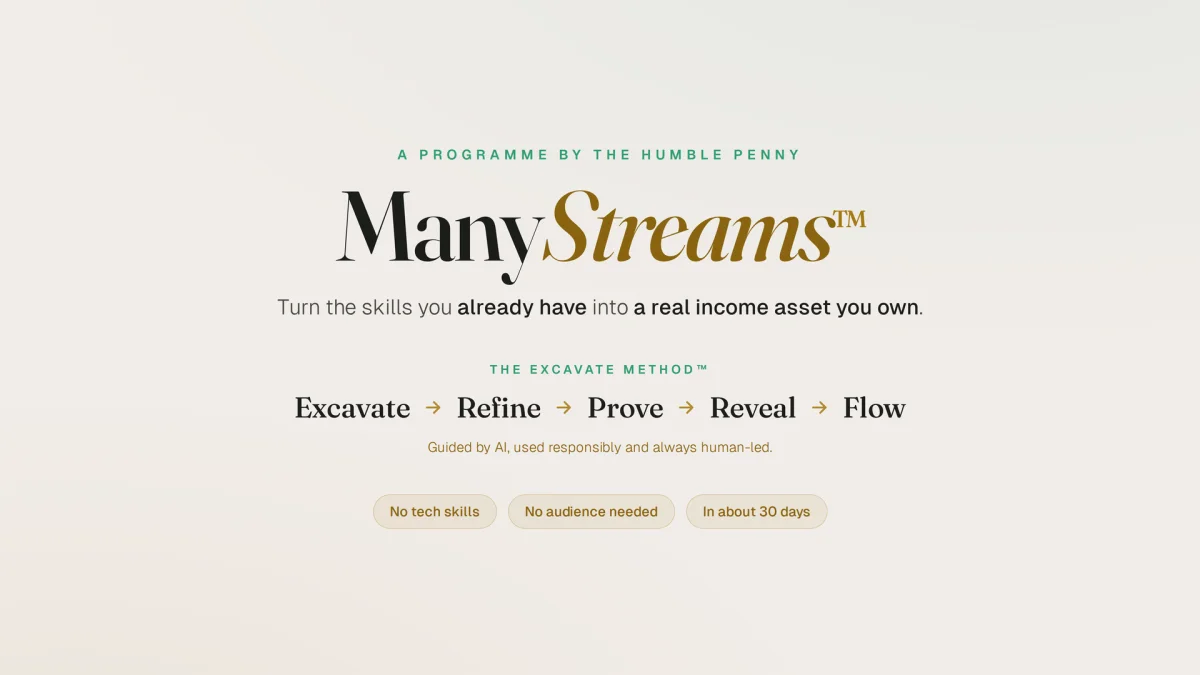
Some people use tools such as AI to develop or deliver a service, but the underlying value still needs to come from useful knowledge and responsible work. Make sure any project is allowed under your employment terms and fits your available time. The practical goal is to reach 50 with experience or an asset that could help bring in income if your job disappeared.
2. Protect your healthspan
Lifespan describes how long you live; healthspan describes how many of those years you’re well enough to enjoy. Money can’t buy back every lost ability, and financial plans work best when they account for the person who will use the money. Health affects far more than medical bills: it can shape your ability to work, your independence, your relationships and the places you’re able to live.
It’s easy to treat health as something to address later. In younger years, poor sleep, little exercise or long working hours may seem to have few immediate consequences. As the years pass, people can become more aware of changes in their bodies and of illness among family and friends. That’s a useful prompt to build routines before a problem forces the issue.

As a general benchmark, the source recommends adults aim for around 150 to 300 minutes of moderate-intensity aerobic activity a week, or 75 to 150 minutes of vigorous activity, along with muscle-strengthening activity on at least two days. People’s circumstances differ, so anyone unsure what level of activity suits them can discuss it with a health professional.
Regular movement and strength work are part of the picture. So are good-quality food, adequate sleep, managing avoidable stress, looking after your teeth and mental wellbeing, and arranging appropriate health checks. If fear has kept you from seeking a check-up, consider speaking with a health professional about what to expect. Finding a concern earlier may give you more time to discuss what to do next.
Think of these habits as maintenance. People generally understand that a car needs attention before it breaks down, but may not give their own health the same steady care. A sustainable routine matters more than an ambitious plan that lasts a week. The investment is not about chasing perfect health; it’s about supporting the body and mind you’ll rely on throughout life.


3. Build assets that can grow without your daily labour
Work brings in income, but assets can help your money contribute too. The aim is to move gradually from relying only on hours worked toward owning things that may produce economic value over time. Those could include shares or funds, a business, intellectual property, property or other income-producing assets. Each comes with its own costs, risks and demands.
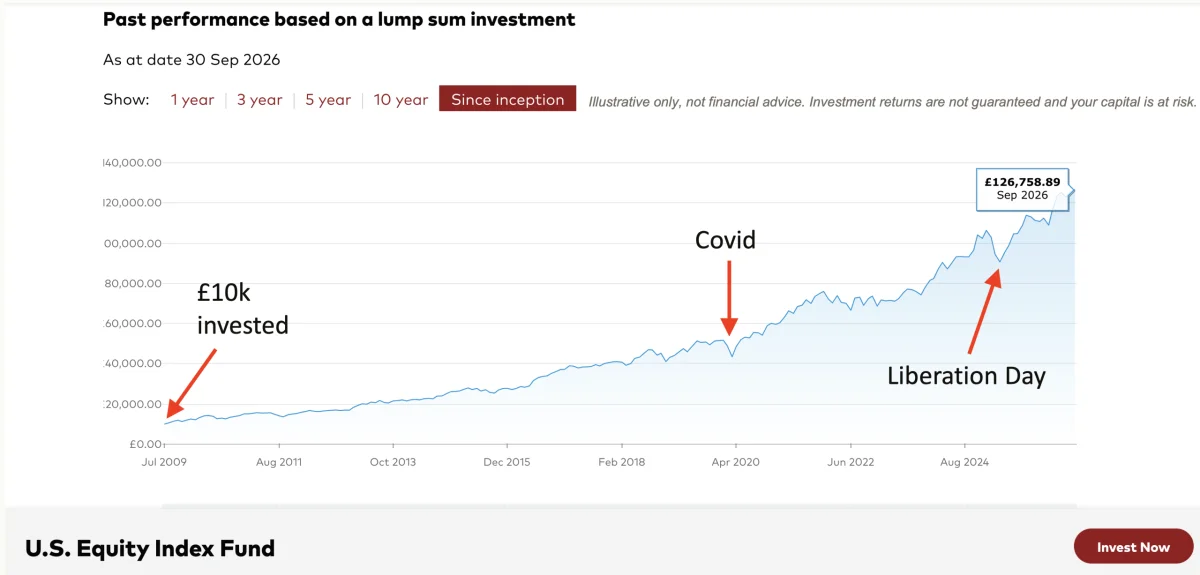
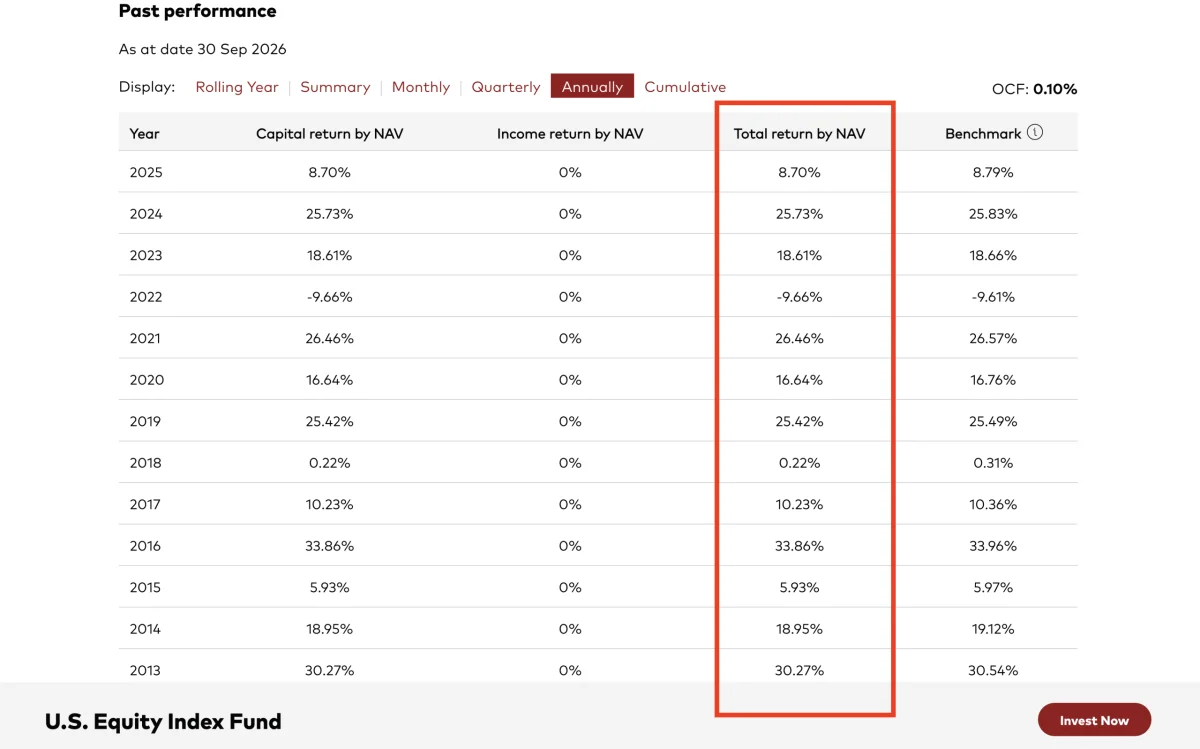
The source gives a historical illustration: a £10,000 lump sum invested in 2009 in the Vanguard US Equity Index Fund would be worth £126,758.89 at the time the example was written, without additional contributions or trading. It says the same amount had been valued at £93,211.16 two years earlier. These figures describe a past period and a particular investment example. They don’t predict future performance or establish that the fund is right for any reader.
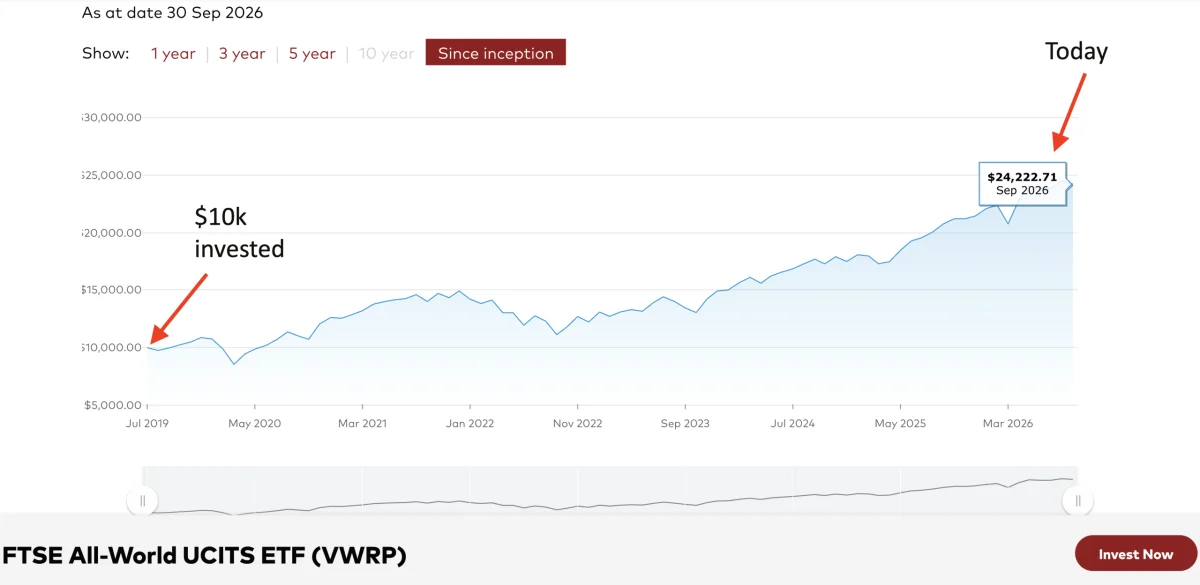
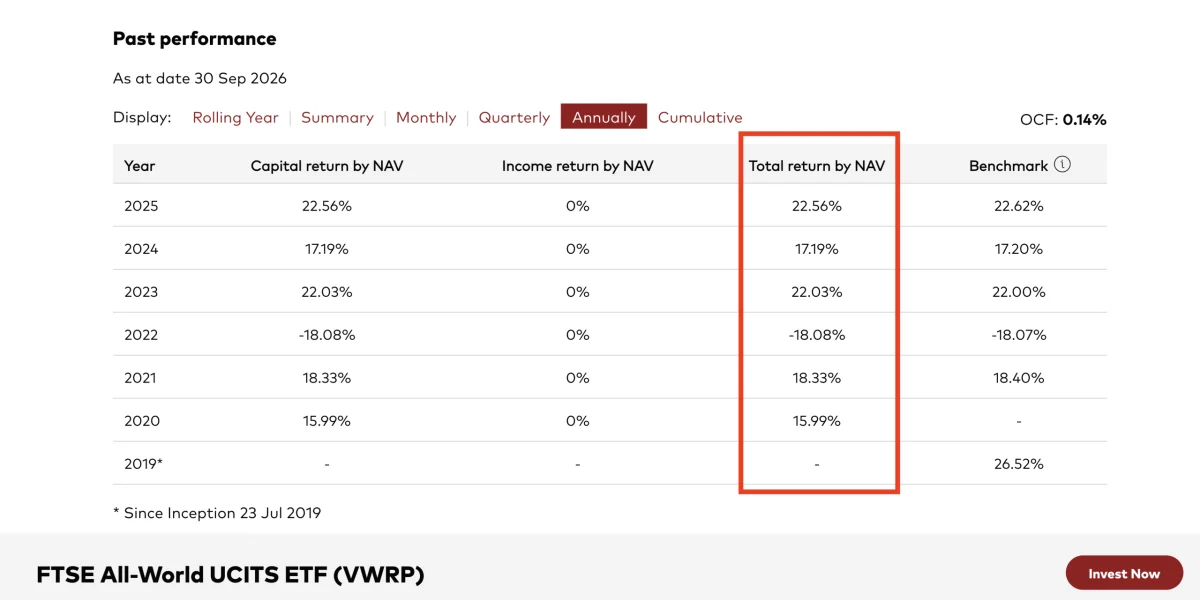
The illustration’s broader point is that a long-term investor wouldn’t have needed to predict every market rise and fall to remain invested through that period. But markets can fall, and an investor can lose money. Past returns don’t promise future results. The source also offers a separate example using a $10,000 lump sum in the FTSE All-World UCITS ETF (VWRP), but gives no return figure in the text. It presents globally focused funds as another type of example, not as a personal recommendation.
Think of yourself as both a worker and an owner. The worker earns through effort and time; the owner holds assets that may generate value without exchanging another hour of work for each pound earned. For many people, work comes first because they have time and energy but limited capital. Over the years, the aim can be to keep some of what you earn and invest some in a way that suits your circumstances and tolerance for risk.
In the UK, the source says the overall ISA subscription limit for the current tax year is £20,000. That limit doesn’t mean someone needs £20,000 to begin: the examples given are £50, £100, £250 or £500, or whatever amount is sustainable. Check the relevant tax-year rules before acting, since limits and eligibility can change. The source also names pensions as a way people may build assets for later life.
Regular contributions can help turn investing into a habit, but investment values fluctuate, charges can apply, and money invested may not be available when needed. Keep your time horizon and access to cash in mind. Over time, the aim is for assets to carry more of the financial load, while recognising that growth is never guaranteed.
Recommended: New to Investing and Need a Step-By-Step Guide? Start Here
4. Combine skills that complement each other
Being excellent at one technical skill can be valuable. So can combining solid technical ability with communication, sales, leadership, AI skills or business understanding. A distinctive combination may make someone useful in more situations than any one skill alone. There’s no universal formula, and deep expertise in a single field can still be highly valued. The practical point is to look for skills that reinforce one another.
Ordinary ingredients can create something special when combined in the right way. The same can be true of a career. An accountant who can teach and communicate clearly, a nurse who can use digital tools to explain complex information, or an engineer who can lead a team and understand sales may bring together abilities that solve a wider set of problems.
Take an inventory of five things you know how to do well. Then ask which one additional skill would make that combination more useful over the next six to 12 months. Possibilities include public speaking, video creation, data analysis, negotiation, financial literacy or another language. Choose something that connects to your existing experience and the opportunities you can realistically pursue.
Midlife leaves room to learn and change direction. Someone who is 45 could develop one meaningful skill every two years until 55, adding five to the experience they already have. That won’t make every career change easy, but it can create new options. Experience is something a younger person can’t acquire instantly; pairing it with fresh skills can help people remain adaptable when their work changes.

5. Invest in relationships
Knowledge, reputation and supportive relationships can matter when someone needs to rebuild after a setback. A strong network is not simply a list of contacts. It’s made up of people who know and trust one another, share help and keep their word. Those connections can open doors, offer perspective or make hard periods easier to manage.
Think about the people you can call for different kinds of support: a mentor, a knowledgeable financial professional, a doctor, a solicitor, a builder, a business owner or a friend who understands your life. One particularly valuable person is someone who will tell you the truth when others are only offering praise. The right people will vary from household to household.
Instead of starting with “Who do I need to know?”, consider “Why would someone want to know me?” Relationships grow through contribution, reliability, generosity and showing up. Helping people without keeping a running tally, and doing what you said you’d do, builds trust over time.
Start before you need help. Don’t wait until a job disappears to contact people you haven’t spoken to in years, or until loneliness arrives to make time for friendship. Maintain the connections that matter in ordinary weeks, not only when a problem appears.
Wealth also includes the people who will share your life. Who will be around the dinner table in 10 or 20 years? Who could you call in the middle of the night? Who knows you well enough to notice when something is wrong? Financial independence can be valuable, but people also need dependable relationships. A large balance sheet can’t make up for having nobody to turn to.

6. Make time for family and the people you love
Family means different things to different people. It may include a partner, children, parents, close friends or people you care for. Whatever your circumstances, the source raises a useful tension: people can spend so much time building a better life for loved ones that they forget to build a better life with them.

Households can run smoothly and still feel distant. Work, businesses and children’s schedules may turn family life into a series of tasks: school runs, sports, dinner and the next appointment. Efficiency helps, but it doesn’t create closeness on its own. Make room for meals without devices, walks, dates, laughter, holidays and conversations that aren’t about logistics. Sometimes it’s enough to spend time together without trying to achieve anything.
When children are part of the family, money can give them a head start, but it’s only one form of support. Teaching them about money, helping them build practical skills and confidence, sharing family values, and giving them time and memorable experiences can prepare them for adulthood. An account set aside for a child won’t replace that learning. Capital can help, but people also need the ability to manage it.
One helpful shift is to ask not only how much money you hope to leave children, but who you’re helping them become. A gift can be valuable; habits, knowledge and support may also serve them throughout life. The balance will depend on each household’s means and priorities.
Some people also find themselves supporting children while ageing parents need more practical, emotional or financial help. This situation is often called the sandwich generation. Planning takes time, and the choices can be complicated. Where possible, talk early with the people involved about their needs, expectations and available resources. Time can’t be saved up and returned later, so include it in your plans alongside money.

7. Keep future living costs within reach
Two people can have the same investment balance and very different levels of financial flexibility. Consider the source’s example of two people aged 50, each with £500,000 invested and similar health. One needs £60,000 a year to maintain their lifestyle; the other needs £30,000. Ignoring investment returns, tax and inflation, the first balance represents a little over eight years of spending, while the second represents more than 16 years.
This is arithmetic to illustrate the relationship between spending and savings, not a forecast of how long someone’s money will last. Actual results depend on many factors, including investment performance and costs. Still, the comparison shows why financial freedom has two levers: building more and needing less. Earning and investing more are familiar goals; reducing the amount your lifestyle requires can be just as powerful.
Lifestyle costs can rise gradually as income grows. A larger home, a newer car, upgraded holidays, subscriptions, restaurants, clubs or school fees may each feel manageable. Over time, the full set of commitments can make a high income feel essential. That can leave a household less able to change jobs, reduce hours or handle a period without pay.

Create margin between what comes in and what your life requires. Housing is often a large part of that calculation, but there’s no single answer that fits everyone. Owning a home and gradually paying down a mortgage may reduce required income later in life for some households. Renting may offer flexibility that suits others. The question is how to design housing costs intentionally around your circumstances.
Look at recurring expenses and ask what each one gives you. A smaller mortgage, less debt, one fewer car, a cheaper area, fewer subscriptions or less stuff can reduce the monthly income your household needs. Cutting costs isn’t always the right move: some spending supports health, family or quality of life. The goal is to choose deliberately, not to strip away everything enjoyable.
Two questions can help shape a plan: “How could I earn another £1,000 a month?” and “Why does my life require so much money each month?” They point to different ways of creating more freedom. Building more and needing less can work together.


8. Build a Freedom Fund
An emergency fund helps cover an unexpected expense or loss of income: a broken boiler, a car repair, an unpaid bill or a period without work. A Freedom Fund has a different purpose. It gives you options even when there’s no emergency. It might help you leave a job, work fewer days, spend time caring for a parent or try a business idea.
That fund doesn’t have to sit in one account. Depending on a person’s circumstances, it might include cash, investments held in an ISA or an equivalent account, pension savings, business assets, property equity or other income-producing assets. These are not interchangeable: they can differ in risk, access, tax treatment and the time needed to turn them into spending money. Cash can be available quickly but may lose purchasing power over time; long-term investments can fluctuate in value; pension money may have restrictions on when it can be accessed. Consider those differences when deciding what could support a change in work or lifestyle.
Put a number on what freedom might cost. Start with your annual living expenses, then consider how those might change if a mortgage were paid off, children moved out or other major costs ended. Add income you might receive from work, investments or a pension. These are planning questions, not promises about future income.
Once you have a rough picture of your spending and resources, “I want financial freedom” becomes more concrete. You can estimate a destination and work backwards toward it. The goal isn’t necessarily to stop working; it’s to have greater choice about whether, where and how much you work.
That choice could mean leaving a job that no longer suits you, reducing your hours, taking several months to support a family member or trying a business. A Freedom Fund won’t remove every risk or make every choice easy. It can give you more room to decide based on what matters to you.
book a Power Hour 121 coaching session
Starting after 50
Turning 50 isn’t a cliff. A birthday doesn’t make it impossible to save, learn, invest or build relationships. The age is a prompt to pay attention, not a deadline by which every goal must be completed. If you’re 55 or 60, you can start with the choices available to you now. If you’re 35, time gives you more room to build gradually.
The source shares the example of the author’s parents, who began their financial lives in the UK in their mid-40s with very little and later became financially independent in their 60s. One family’s experience can’t guarantee the same result for someone else, but it shows why age alone doesn’t determine what remains possible. You can’t change when you started. You can change your next step.
Turn experience into another income stream
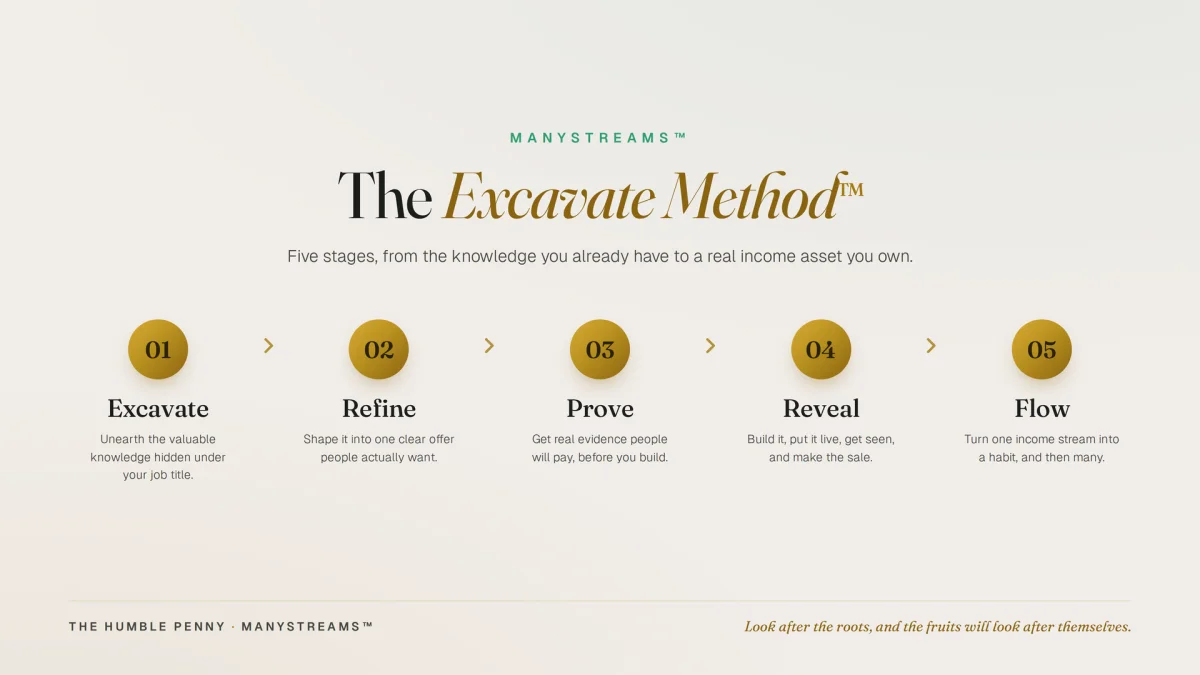
If your salary is carrying most of your household’s financial weight, finding a way to earn beyond a job may be a sensible place to begin. The source describes a five-stage process for turning existing knowledge into a product or service: identify what you know, shape it into something useful, check whether people want it before spending months building, put the offer in front of the right people, and create systems that could reduce the need to trade more hours for money.
AI tools may help individuals handle tasks that once required a larger team, but tools don’t guarantee a viable idea or an income stream. The work still needs to solve a real problem, reach people who need it and be worth the price they’re asked to pay. Test demand on a small scale and learn from the response before investing heavily in development.
Wealth means having choices
Financial balances matter. So do the other things that money can support: the ability to handle something unexpected, care for people you love, choose how to spend a Tuesday, take time away from work or say no when more income would cost too much of your peace. Wealth is not only about how much you own. It’s also about what options you have.
Keep that in view while working on these eight investments. A growing portfolio can come at the cost of health or family time if every available hour goes toward earning more. A business can become a burden if it takes over life. A new income stream should serve the life you want, rather than becoming another source of pressure.
Invest steadily, learn useful skills, build assets and look for ways to diversify income. Make time for the people you care about, look after your health, rest and enjoy your life as you go. The measure isn’t simply how large your accounts become. It’s whether the choices you’ve made help you live in a way that feels worthwhile.
- Book a Power Hour 121 coaching session
- I’m 51. Is It Too Late To Retire Comfortably?
- 10 Retirement Numbers Everyone Needs to Know
Watch the video version of 8 Investments you must have by age 50:
And as always, in all things, be thankful and seek joy.
The post 8 Investments You MUST Have Before Age 50 appeared first on The Humble Penny.