A Small, Rotating Pantry Can Help Your Household Weather Disruptions
Build a few days of food and water gradually, rotate what you store and avoid debt. A modest pantry can help when deliveries, power or income are disrupted.
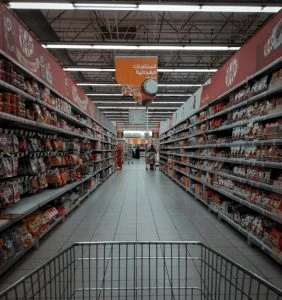
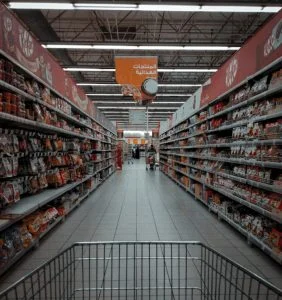
Full supermarket shelves show that food is available today. They don’t guarantee that deliveries, payments, refrigeration and power will keep working smoothly tomorrow. A small, regularly used pantry can give a household breathing room during a temporary disruption, without panic buying or spending money it can’t spare.

The case for preparing is practical, not apocalyptic. A household might face a storm, a power cut, a shortfall in income or a delay in getting to the shops. At the same time, food production and distribution depend on connected systems that can be strained by bad weather, higher energy costs or a technical failure. A few days’ supplies can make these interruptions easier to manage.
That doesn’t mean a major shortage is imminent. It means that everyday convenience and household resilience are different things. The author built a pantry by spending an extra £3 a week over one or two years, then kept it useful by eating and replacing the food. That slow approach can suit a tight budget far better than buying a large stock all at once.
Food can be in the country but hard to get to the shop
Modern grocery supply relies on online ordering systems, warehouses, transport schedules, payment networks and stock management. If one part is interrupted, food may take longer to reach shelves or customers may have difficulty paying, even when supplies exist elsewhere in the system.
The source describes cyber incidents affecting food retail and distribution in France and the Netherlands. In France, it says, refrigeration controls at 700 supermarkets were hacked, leading to food being wasted and stores facing disruption for several days. In the Netherlands, an attack on distribution systems reportedly prevented supermarkets from being replenished, leaving some shelves empty while the issue was addressed.
Those examples illustrate a vulnerability: the supply chain depends on systems working together. They don’t establish that the same incident will occur in Britain, or that every store would be affected if a disruption happened. The source also cites the National Cyber Security Centre’s 2025 Annual Review, which reports 429 cyber incidents supported in the year to August 2025, with nearly half assessed as nationally significant. Its warning about critical infrastructure is a reminder to take digital disruption seriously, without treating a particular outcome as certain.
The article says Britain holds only three days of food in warehouses. That figure is presented by the author; readers should treat it as the article’s claim rather than assume it describes every part of the food system. The wider point stands without it: when ordering, transport or payments are interrupted, food may not move or sell as usual.
Farm production can be squeezed by costs and weather
Food reaches shops after farmers have paid for seed, fertiliser, machinery, fuel and labour, often months before they know what a crop will earn. Weather adds uncertainty. If growing costs exceed the likely sale price, some farmers may leave land unplanted, change crops, reduce investment or decide farming is no longer financially viable.
The author is concerned about farmers leaving the sector and about solar panels being installed on agricultural land. The article raises concerns that land may be compacted or left without sun and water for extended periods, while acknowledging that claims about chemical leaching or radiation are contested. It does not provide figures for the number of farmers leaving or the land affected, so those concerns are best understood as the author’s account, rather than quantified trends.
Its broader observation is that farming depends on land, skills, equipment and sustained investment. If those capacities shrink, they may take time to rebuild. That matters for household food security because domestic production cannot be increased instantly whenever supply is tight.
Weather has already affected harvests. The source cites the Climate Change Committee’s 2025 report, which says England experienced its wettest 18-month period on record between October 2022 and March 2024, contributing to one of the worst arable harvests since modern records began. It also cites the first estimate of England’s 2024 wheat harvest in the UK Food Security Report: production was down around 22% compared with 2023.
A poor harvest doesn’t automatically mean people will go hungry. Imports can help, farmers may adapt and later harvests may recover. But the figures show that domestic production can be affected by weather beyond any household’s control. The author also points to drought affecting harvests elsewhere, which could make it harder or more expensive to source food internationally.

Imports add choice, but also connect Britain to overseas supply
The 2024 UK Food Security Report found that domestic production supplied approximately 62% of the UK’s food in 2023. The remaining share came from overseas. Imports provide variety and help fill seasonal gaps, but they also rely on international transport, fuel, ports and trading relationships.
Shortages don’t have to affect every product to disrupt a shopping trip. In 2023, several British supermarkets temporarily limited purchases of some salad vegetables after poor weather affected production in key supplier countries. The source describes this as a limited episode, not a nationwide food crisis. It’s still a useful reminder that a product’s availability today doesn’t guarantee a steady supply tomorrow.
The author recalls having flour available during the pandemic and sharing it with relatives. The experience captures one benefit of keeping ordinary staples at home: they can help a household manage when shopping becomes difficult or certain basics are temporarily scarce.

Energy and transport costs reach the grocery bill
Food production and delivery use fuel and energy at several stages. Farmers need fuel for tractors and machinery. Food processors need energy to prepare and package products. Shops need power for refrigeration, lighting and storage, while transport companies need fuel to move goods.
International tensions and conflict can put pressure on fuel, fertiliser, shipping and trade. Higher costs can then spread through the food supply chain and contribute to higher prices for households. The author gives the example of a family friend who runs a haulage company and whose fuel costs rose by £40,000 in six months. That is one business’s experience, not a measure of the whole transport industry, but it shows how a steep cost increase can challenge a company that delivers goods.
Even when shelves stay full, higher prices can strain budgets. For a household already managing rising bills, the financial effect of disruption may be more immediate than a physical shortage. A pantry won’t prevent price rises, but using food bought earlier can provide some flexibility while a family adjusts its spending.
A power cut can disrupt more than lighting
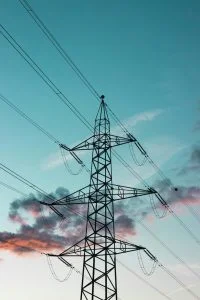
Electricity is part of ordinary routines that are easy to take for granted. A power cut can stop an electric cooker, interrupt heating, warm a freezer and prevent a router from working. Depending on the circumstances, water pumping, card payments and cash machines may also be affected. Phones still need charging, and local shops may have trouble serving customers.
Storms, flooding and equipment damage can cause local outages. A winter incident can make matters harder if roads are blocked or travel is difficult. None of this requires imagining a national emergency: even a short interruption can make a normal evening more complicated.
The author remembers power cuts in the 1970s and argues that reliance on online services makes outages more disruptive now. A torch, batteries, a charged power bank and a way to receive information can help a household manage. Food that can be eaten cold is useful if cooking isn’t possible. Follow safety instructions for any equipment used for warmth or cooking, and don’t use products indoors unless they are designed for that purpose.
Build supplies around food your household already uses
The author points to the UK Prepare site, which recommends considering bottled water, food that doesn’t need cooking, torches, radios, batteries and essential medication. It also suggests building supplies gradually. That approach keeps preparation within reach of households that can’t afford a large one-off shop.
Start with food you already eat: perhaps an extra tin of beans, crackers or long-life milk. Over time, add suitable tinned fish, vegetables, meat or fruit. Include meals that can be eaten cold, especially if your household relies on an electric cooker. Think about drinking water, too, and how you would make water safe if usual supplies were affected.
The article suggests first aiming for three days of essential supplies, then building towards a week or more if space and budget allow. That’s a target to adapt to your circumstances, not a reason to buy beyond your means. Don’t take on debt to stock a cupboard. A useful reserve should lower pressure on a household, not add another bill.
Make the pantry part of normal shopping and cooking. Store products your family will actually use, put newer items behind older ones and eat from the supply before it expires. Then replace what you use when the budget permits. The author says keeping food this way has helped with inflation, including still having sugar bought for 59p. Prices change, of course, and storing a product only saves money if it’s used before it spoils.
Preparedness also covers ordinary household setbacks
A pantry can be useful even when no supply chain is disrupted. Someone may become ill, lose income or face an unexpected bill that makes shopping harder for a while. The author describes a five-month period this year when her husband was ill and in hospital, and the household lost income. Her experience is a reminder that preparation can be about coping with personal setbacks as well as wider events.
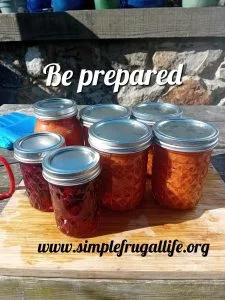
Earlier generations often kept basics such as flour, oats, potatoes, preserved fruit and jam at home. The useful idea isn’t to copy every old habit or fill every cupboard. It’s to keep a modest reserve of things a household will use, so a missed shopping trip or tight week doesn’t immediately become a scramble.
Several pressures can overlap: a difficult harvest may reduce supply, higher fuel costs can make transport more expensive, international disruption can affect imports and a technical problem can interrupt distribution. No single development proves that a serious shortage is about to happen. Together, they explain why relying on every part of the system working perfectly leaves households with little room to respond.
A simple check makes the idea concrete: could your household manage for three days without a shop? Do you have drinking water, some food that doesn’t need cooking, light, a way to charge a phone and any essential medication? If not, add what’s missing a little at a time, within your budget. If the supplies are never needed in an emergency, rotate and enjoy them as part of ordinary life.
Sources and further reading
- UK Prepare — household emergency supplies
- UK Food Security Report 2024
- Climate Change Committee — Progress in Adapting to Climate Change, 2025
- National Cyber Security Centre — Annual Review 2025
Other reading:
- Being Prepared
- 2026 pantry preparedness
- 7 tips for Building a Stock Cupboard
- Keeping a full pantry for little money
- When the News Feels Frightening: A Reminder to Breathe
The original post: Don’t be a scare monger. The supermarket shelves are full!, published by Simple Frugal Life.