Ready Meals vs Home Cooking: Where the Better Food Value Can Come From
Ready meals buy convenience, while planning, batch cooking and affordable staples can stretch a food budget. The right balance depends on your time and needs.
The price on the packet is only part of the cost
A ready meal can make a tiring evening easier. When everyone’s hungry and cooking feels like one job too many, picking up a lasagne for £3.75, a chicken curry for £3.50 or a family pasta bake for £10 may seem like sensible spending. But the shelf price doesn’t tell you how many portions you’ll get, how filling they’ll be or whether the ingredients could cover more than one meal.
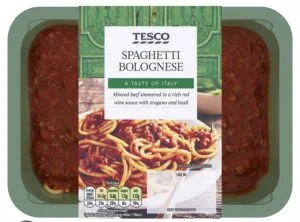
Take spaghetti bolognese. Four individual ready meals at £3.75 each come to £15 for a family of four. A homemade pan made with minced beef, chopped tomatoes, onions, carrots, pasta and herbs can cost less than £10 at the prices described in the source. The exact comparison depends on the shop and the ingredients, but adding vegetables or lentils and using less meat can bring the cost down further. A discount supermarket may help, too.
The bigger saving can come from making the ingredients go further. One bag of carrots might contribute to bolognese, soup and casserole; a packet of pasta can be used for several dinners. The source author says a slow cooker bolognese using much less than 500g of meat makes three or four meals for two people, at about half the cost of the larger batch described above. That example reflects one household’s cooking and prices, but it shows why the cost per meal can matter more than the total at checkout.
Cooking at home isn’t automatically cheaper. Ingredient prices, energy use, portion sizes and wasted food all affect the total. Planning around what you’ll actually use can make the difference between a low-cost meal and ingredients left forgotten in the fridge.
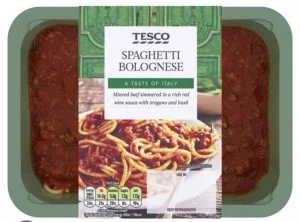
Check what a portion gives you
Packaging can make a ready meal look more substantial than it feels once served. Some meals contain a generous amount of sauce but less meat or vegetables than you’d expect. Looking at the serving size and ingredients can help you judge whether the price is fair for the meal you’re getting.
At home, it’s easier to adjust the balance and make a dish more filling. Kidney beans can stretch chilli, lentils can bulk out bolognese, and seasonal vegetables can add substance to a casserole. These additions may improve the value of a meal without adding much to the shopping bill. A filling dinner can also reduce the chance that someone will need to find extra food soon afterwards.
That doesn’t mean a homemade dish always wins on price or portion size. It depends on what goes into the pan and how much the household eats. Comparing the cost per portion, rather than just the package price, gives you a more useful starting point.
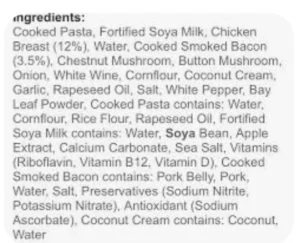
Convenience and nutrition can both count
Ready meals vary. Some offer vegetables, fibre and protein; others may be high in salt or saturated fat, or provide fewer vegetables and less fibre. One 400g Tesco bolognese meal examined by the source author contained 2.11g of salt, described as 35% of an adult’s daily recommended amount, 26% of the adult daily recommended amount of fat, and 647 calories per pack. Those figures apply to that specific product as described by the source; check the label on the meal you’re considering, since products can differ.
The figures don’t, on their own, make a meal good or bad. They do show why it can be helpful to consider the full day’s food, including other meals and snacks. Cooking at home lets you choose how much salt, oil and sauce to use, select leaner meat and add vegetables. Simple meals are enough; there’s no need for elaborate recipes to have more say over what goes into dinner.
Homemade food isn’t automatically nutritious, either. It can still contain plenty of salt, sugar or saturated fat. What matters is the food you use, the portions you serve and the balance of your diet over time. A ready meal now and then needn’t be a source of guilt; regular habits count more than one quick dinner.
Save time without cooking from scratch every night
Part of the ready meal’s price pays for work done before it reaches your kitchen: preparing ingredients, cooking, packaging and transport. Home cooking shifts some of that work to you. Your time matters too, and a ready meal can be the practical choice for a household with long working hours, caring responsibilities, limited energy or access to cooking facilities.
Still, making dinner at home doesn’t have to mean spending an hour over the stove. Fajitas, vegetable soup, a jacket potato with beans or a quick pasta dish can be straightforward options. The source author says they spend around 10 minutes preparing a slow cooker meal that’s ready when they get home, and finds that quicker than going to the supermarket. The effort and energy needed will vary, but having a few easy meals in mind can help on busy days.
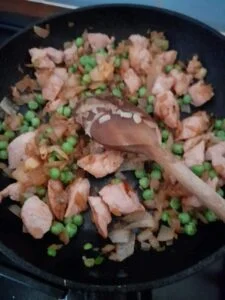
Batch cooking makes one session work harder
Cooking a larger amount can turn one session into several different dinners. The source author makes a big slow cooker of chilli, then serves it with rice, over jacket potatoes, or after freezing portions for another day. Leftovers can become potato nachos, chilli cottage pie, chilli on toast or pasties. The point isn’t to eat the same plate repeatedly; it’s to reuse a base in ways that suit different meals.
Soups, curries, casseroles and bolognese can work in the same way. Batch cooking may help use up ingredients, reduce waste and cut the number of times you need to cook. It can also make it easier to choose a home-prepared meal on a night when time is short. Cool leftovers promptly, store them safely in the fridge or freezer and reheat them thoroughly.
Affordable staples can build balanced meals
Eating well doesn’t require a cupboard full of expensive specialty products. Oats can make porridge or flapjacks; eggs are quick to cook and can use up odds and ends in the fridge. Beans and lentils add protein and fibre, while frozen vegetables can last longer and help reduce waste. Tinned tomatoes work in soups, sauces and casseroles, and potatoes, rice and pasta are useful, affordable meal bases.
The source author recommends a sweet potato and lentil curry as an inexpensive slow cooker meal. More generally, keeping a few versatile staples on hand makes it easier to pull together dinner without buying a special ingredient for every recipe. Use what your household likes and can store; the best value comes from food that gets eaten.

Choose the balance that fits your household
Some people work long hours, live alone, have disabilities, face high energy costs or lack suitable cooking facilities. For them, ready meals may be a useful part of the week. There’s no shame in choosing convenience. If a ready meal is what works on a particular evening, comparing the price per portion and checking the nutrition label can help you choose with more information.
For other households, replacing two or three ready meals a week with simple home-cooked options may reduce food costs and give them more control over ingredients. That’s a flexible goal, not a test of whether someone is a good cook or a careful shopper. Shortcuts such as frozen vegetables, tinned beans or a slow cooker can still help make dinner at home manageable.
The source author also mentions £1 meals sold at Iceland stores as a helpful option when money is tight, while expressing concern about what ingredients may be possible at that price. That is the author’s view, not a product-by-product assessment. For any low-cost meal, the label and portion size are more useful guides than price alone.
The author grows fruit and vegetables, forages and says the household cooks about 95% of its meals from scratch. They estimate their yearly grocery bill should be about £500. That figure belongs to their circumstances and habits, so it shouldn’t be treated as a typical household budget or a promise of what another family can spend.

Convenience has value, and sometimes the extra cost is worthwhile. But if ready meals are a regular choice because they seem cheaper by default, compare what each option costs per filling portion and how much food you’ll actually use. A small amount of planning, a flexible batch-cooked meal and a few affordable staples can make the next busy evening easier on both your time and your budget.
The post The True cost of Ready Meals appeared first on Simple Frugal Life.